


What's the Difference Between Natural vs. Synthetic Latex
When shopping for a latex mattress, terms such as natural latex, synthetic latex and blended latex can make the material sound more complicated than it is. The basic difference is the source of the rubber used to make the foam.
Natural latex uses rubber harvested from rubber trees. Synthetic latex uses man-made rubber produced from petrochemicals. Blended latex combines the two.
The distinction matters for more than material content. Natural rubber content also affects the way latex feels, which is why two pieces of latex made using the same manufacturing process can perform very differently.
What Is Natural Latex?
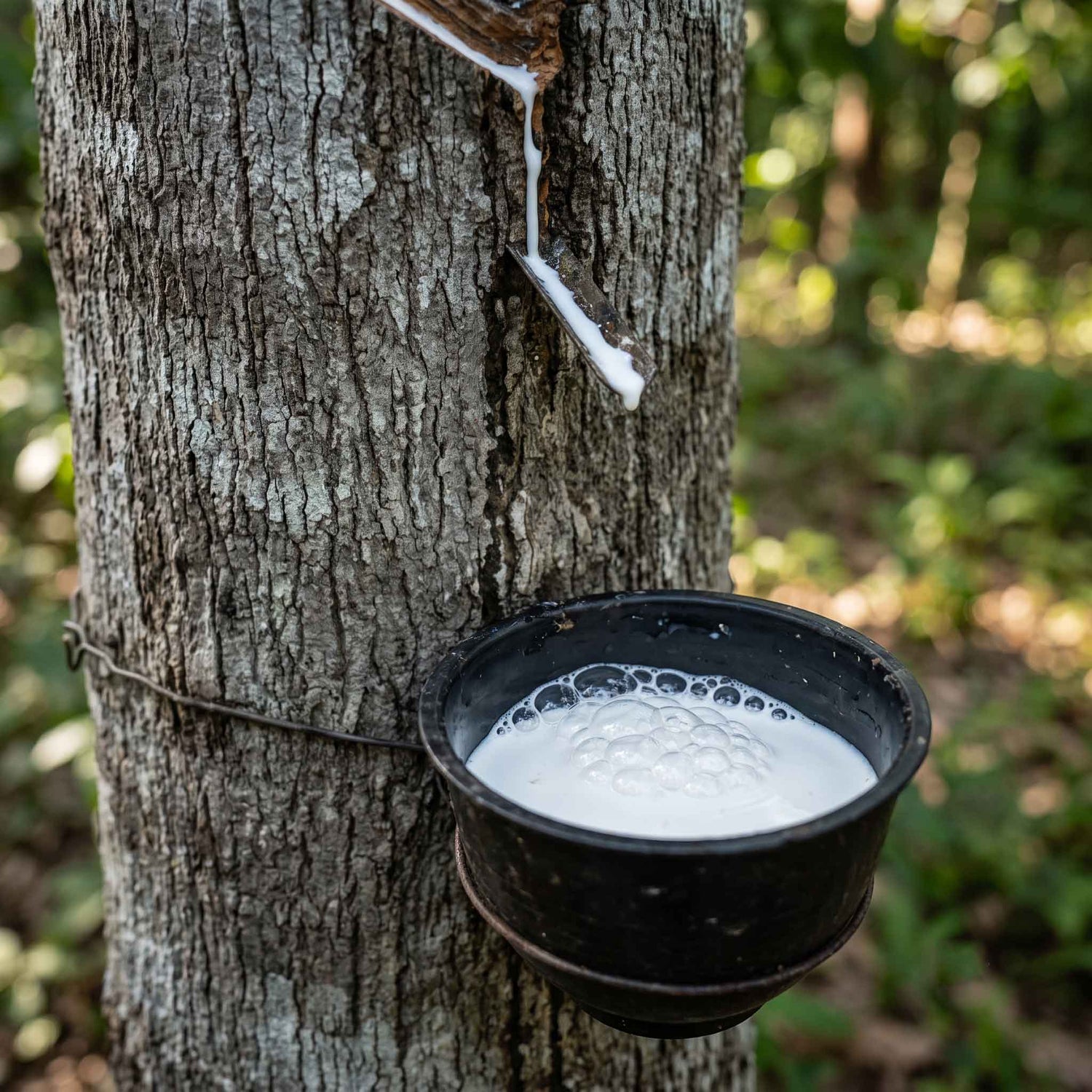
Natural latex begins as liquid latex harvested from rubber trees, primarily Hevea brasiliensis. The tree is tapped and the liquid latex is collected before being processed into the foam used in mattresses, toppers and pillows.
Mattress latex described as 100% natural uses natural rubber as its rubber component rather than replacing part of that rubber with synthetic SBR.
Natural rubber tends to create latex foam with a dense, substantial and supportive feel. It is highly elastic, allowing the material to compress under weight and quickly return to its original shape.
Natural latex can be manufactured using either the Dunlop or Talalay process. Organic latex is a form of natural latex that must also meet the requirements of the applicable organic certification.
What Is Synthetic Latex?
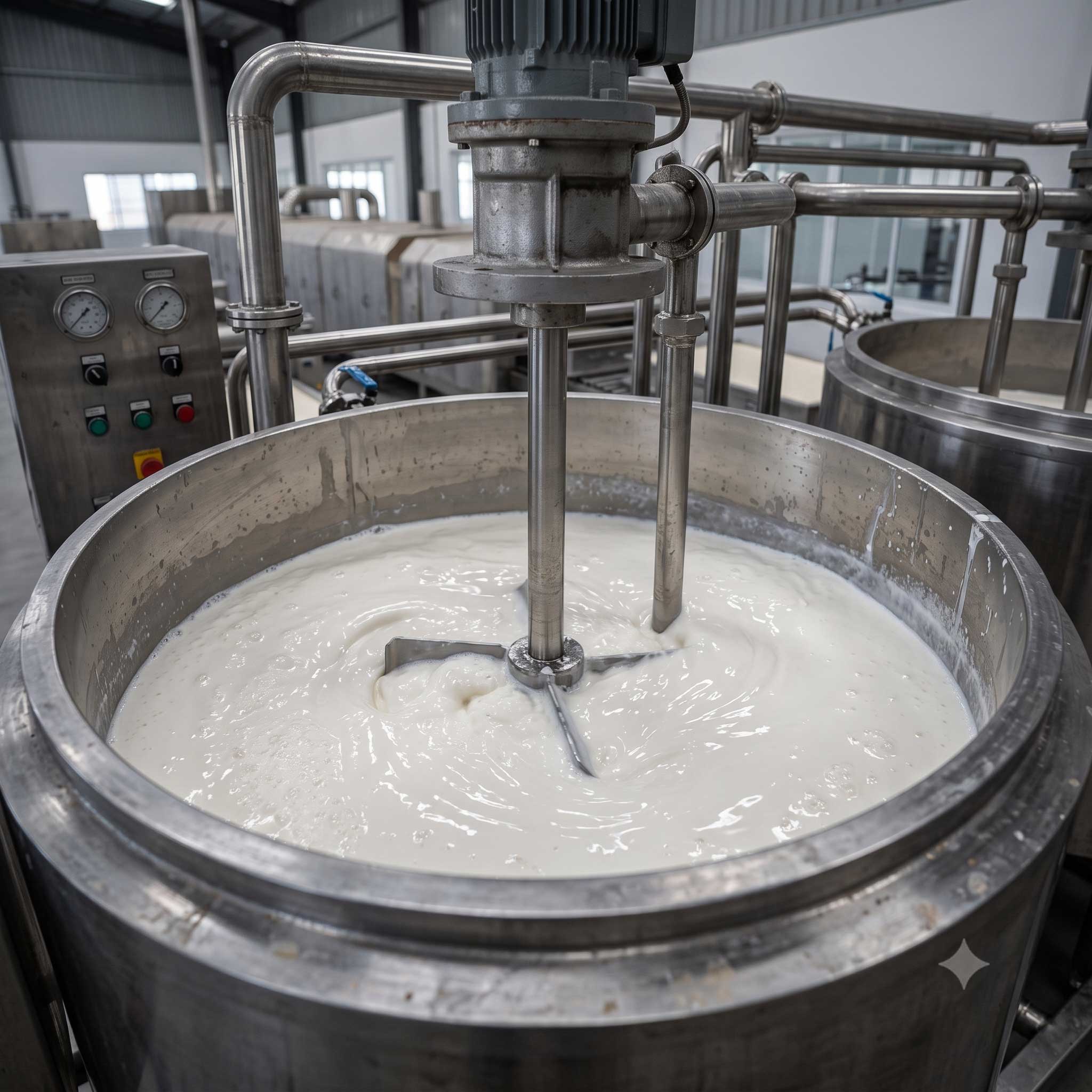
Synthetic latex is designed to reproduce many of the elastic properties of natural rubber using man-made polymers. The most common synthetic rubber used in mattress latex is styrene-butadiene rubber, usually abbreviated as SBR.
SBR can be manufactured with consistent characteristics and is often combined with natural rubber rather than used entirely on its own.
In mattress foam, increasing the synthetic rubber content generally creates a softer and more yielding material. This can be desirable when the goal is to produce a plush, easily compressible comfort layer.
What Is Blended Latex?
Blended latex contains both natural and synthetic rubber. The exact proportions vary by manufacturer and product.
Blending isn't necessarily an attempt to make an inferior version of natural latex. It changes both the economics and physical characteristics of the finished foam.
A good example is Talalay latex. Blended Talalay is often noticeably softer and more yielding than 100% natural Talalay. Natural Talalay retains the buoyant responsiveness associated with the Talalay process, but it generally feels firmer and more supportive than a comparable blended formulation.
Blended Dunlop can likewise feel softer than 100% natural Dunlop. This is why the percentage of natural rubber needs to be considered alongside the manufacturing process and firmness rating.
Natural Content Has a Major Effect on Feel
Latex mattresses are often compared only by process: Dunlop is described as firmer and Talalay as softer. While there is some truth to that generalization, it leaves out an important part of the picture.
Natural rubber content can play just as large a role in feel as the Dunlop or Talalay process.
For example, 100% natural Talalay can feel firmer and more supportive than a softer blended Dunlop. Likewise, blended Talalay can feel significantly softer than natural Talalay even though both are made using the Talalay process.
The finished feel of latex is therefore determined by several variables working together: the manufacturing process, natural-to-synthetic rubber ratio, density, firmness and thickness of the layer.
Is Natural Latex Better Than Synthetic Latex?
It depends on what you mean by better.
If your priority is maximizing natural material content, 100% natural latex is the clear choice. Certified organic Dunlop can take that a step further for shoppers specifically looking for independently certified organic materials.
If your priority is a softer, more yielding latex feel, a blend containing synthetic rubber can sometimes be preferable. This is one reason blended Talalay remains popular for plush comfort layers.
Natural latex also tends to have a denser, more substantial feel, while synthetic content can make the foam feel lighter and softer. Neither characteristic is universally better for comfort.
Does Synthetic Latex Mean the Mattress Is Synthetic Foam?
Latex made with SBR is still latex foam, but its rubber content is not entirely derived from rubber trees. This is different from polyurethane or memory foam, which are separate categories of foam with different chemistry and performance characteristics.
For shoppers comparing products, the most useful question isn't simply whether a mattress contains 'latex.' Ask what type of latex is being used, whether it is natural or blended, and where it appears in the mattress.
Which Type Should You Choose?
Choose 100% natural latex when natural material content, dense support and the characteristics of natural rubber are your priorities.
Consider blended latex when you prefer a softer, more yielding feel or when a particular blend provides the comfort characteristics you're looking for.
Most importantly, don't judge a latex mattress from a single label. Natural, synthetic and blended content, Dunlop or Talalay processing, firmness, layer thickness and overall mattress construction all work together to determine how the mattress will actually feel.
Understanding both the manufacturing process and the rubber formulation gives you a much more accurate way to compare latex mattresses.


Leave a comment
This site is protected by hCaptcha and the hCaptcha Privacy Policy and Terms of Service apply.