DIY Mattress Transition Layers

Sale price$129.00

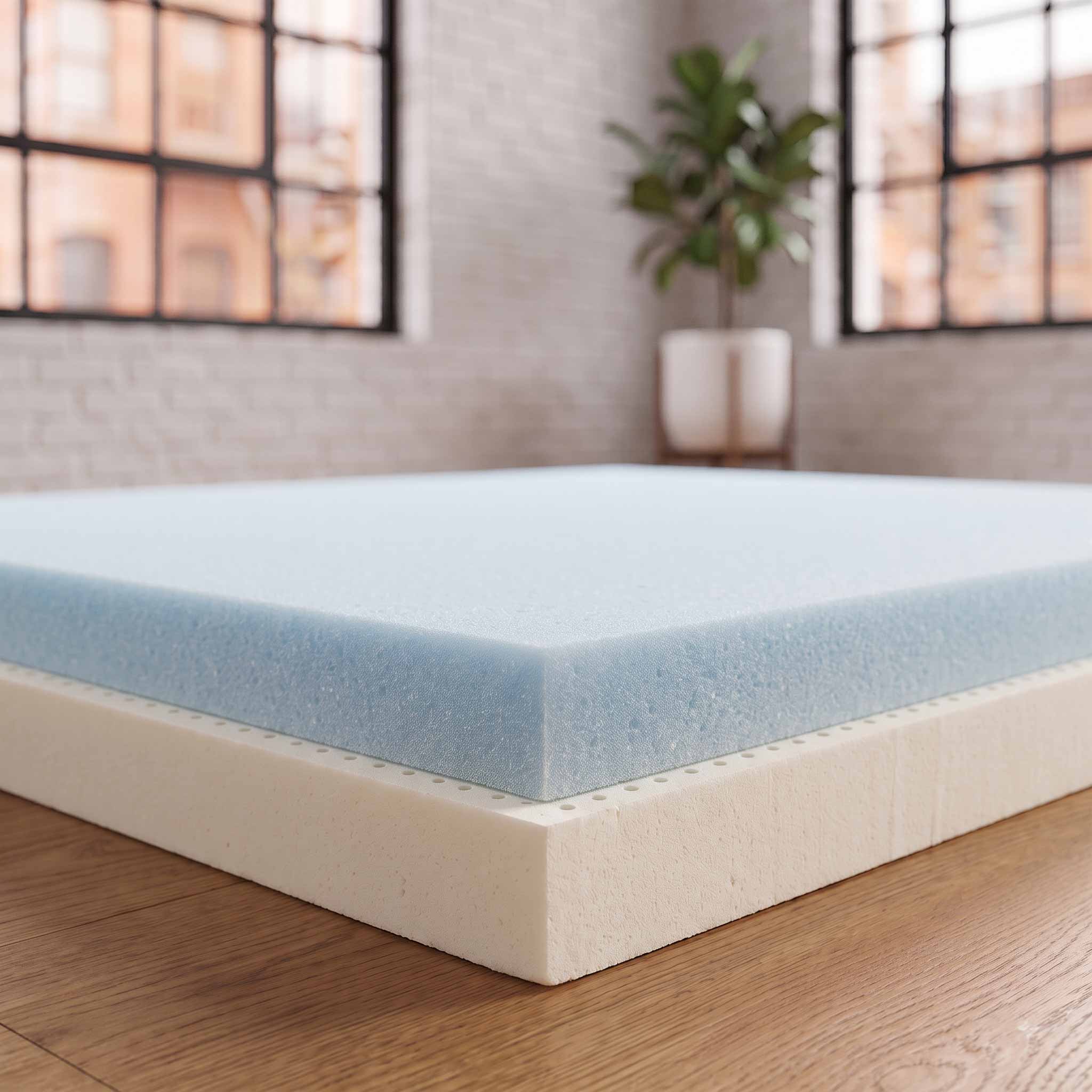
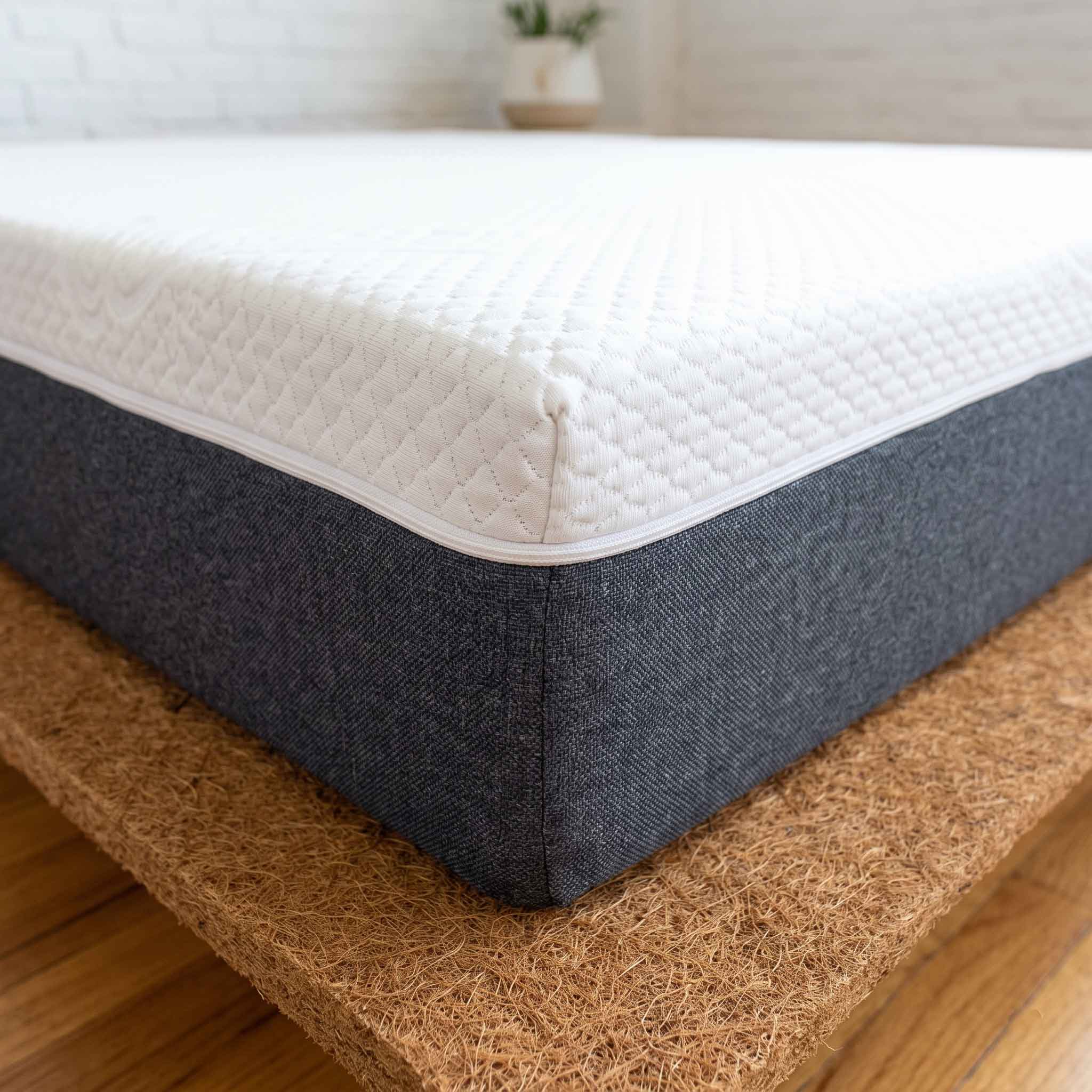
Create a smoother connection between support and comfort. Our 2-inch DIY Mattress Transition Layers let you fine-tune how your mattress responds between the core below and comfort layer above. Choose the material and feel that best complements your build, adding another level of support, pressure relief and control exactly where you need it.

Everyday Low Pricing

All prices include shipping

Size: Twin
Mattress Sizes
Size  Inches Centimeters
Twin 38" x 75" 97 cm x 191 cm
Twin XL 38" x 80" 97 cm x 203 cm
Double  54" x 75" 137 cm x 191 cm
Queen 60" x 80" 152 cm x 203 cm
King 76" x 80" 193 cm x 203 cm

Due to the inexact nature of latex rubber, all sizing is +/- 2" or 5 cm. 

Size

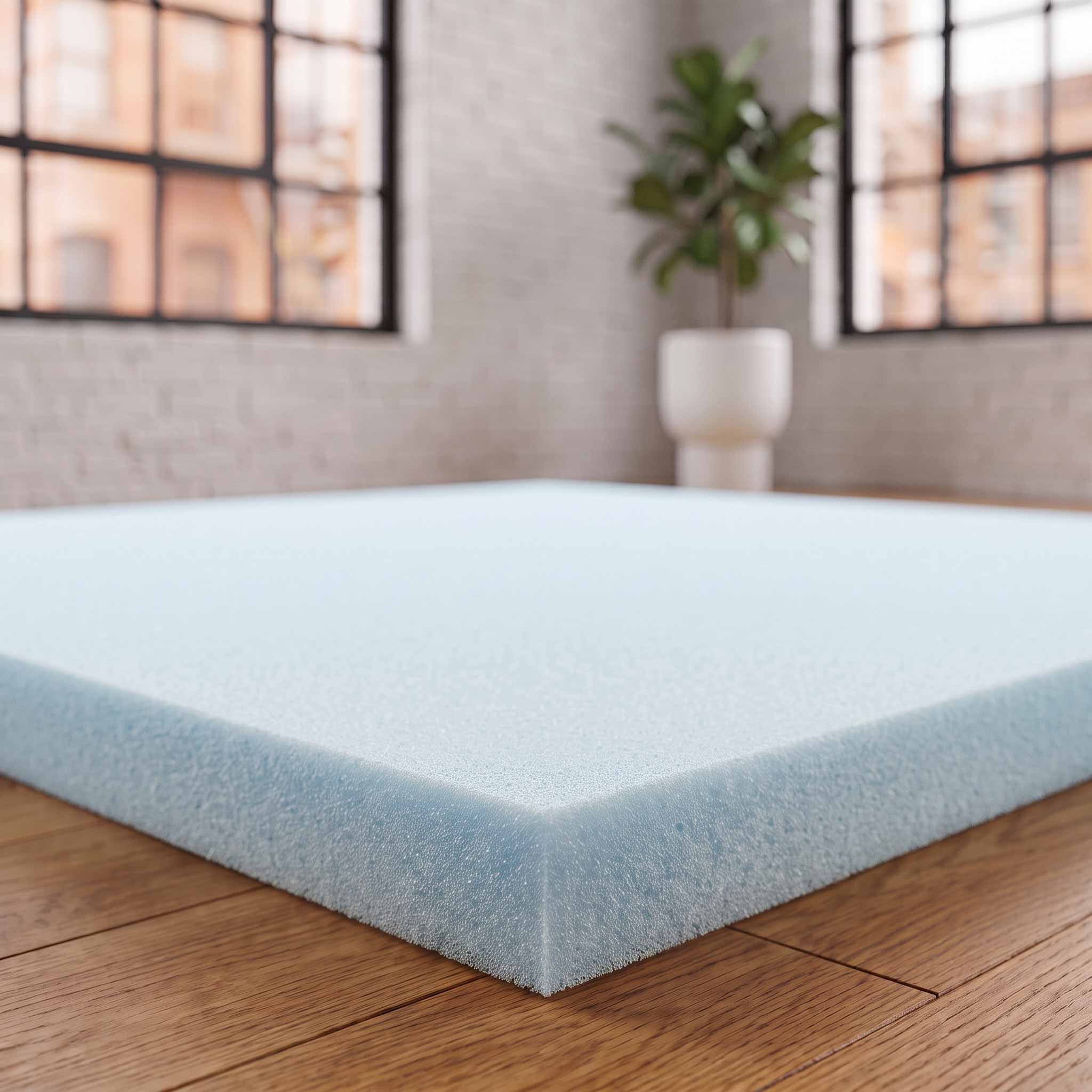
Transition Layer: 2" 2lb High Density Foam (23 ILD)

Transition Layer

All mattresses are handmade to order and ship in 4 -12 business days from the time of order

Add a Layer for a Reason

Gradual

Smooth the transition. Create a more progressive change from the supportive core below to the softer comfort materials at the surface.

Supportive

Add resistance where needed. Prevent softer comfort materials from compressing too quickly into the firmer core underneath.

Adaptable

Fine-tune your build. Choose the material and firmness that create the right balance between deeper support and surface pressure relief.

High Density Transition Layer

High-Density Foam

Firm, Stable Transition

High-Density Foam creates a firmer, more stable transition between the core and comfort layer. Its consistent resistance reinforces the support underneath and limits how quickly you move through softer materials above.

It is a good choice when you want a more supportive progression without adding significant contouring through the middle of the mattress.

Available in 2".

High Resilience Transition Layer

High Resilience Foam

Responsive Transition Support

High Resilience Foam combines support with greater elasticity and responsiveness than High-Density Foam. It compresses more readily under pressure while recovering quickly, creating a smoother bridge between a supportive core and softer comfort layer.

It is a versatile option when you want the transition layer to contribute both cushioning and support without creating a deeply conforming feel.

Available in 2".

Cool Comfort Memory Foam Layer

Memory Foam

Memory foam creates a slower, more conforming transition that allows the body to settle deeper into the mattress before reaching the firmer support core below. Unlike the quicker response of latex or High Resilience Foam, it compresses gradually under pressure and creates a more cradling feel through the middle of the mattress.

Used as a transition layer, memory foam can extend pressure relief beyond the surface comfort layer while keeping its slower, contouring feel deeper within the mattress.

Available in 2".

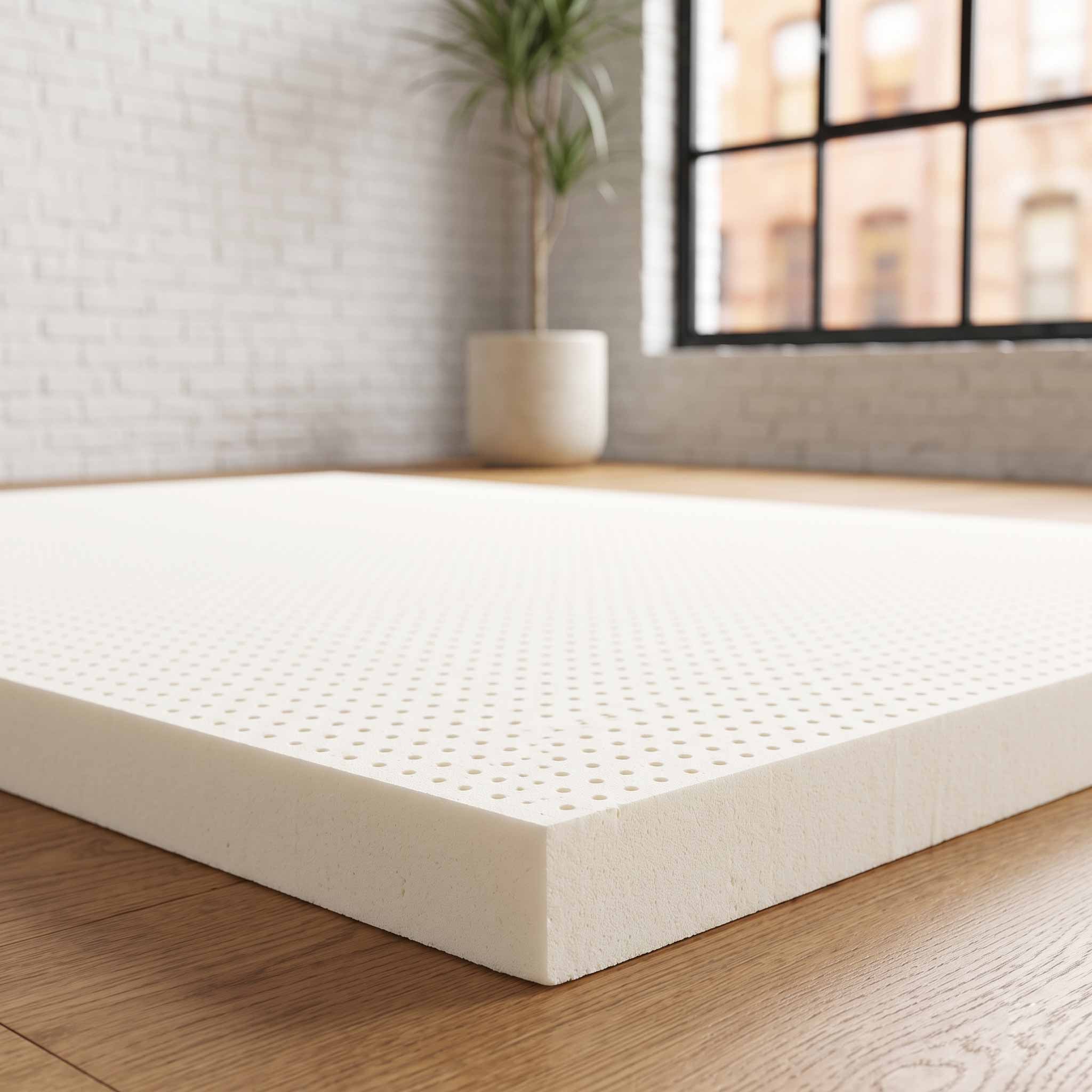
A thick, off-white latex mattress topper with a perforated surface pattern, shown resting on a light wood floor in a bright, modern room with a white brick wall and a window.

Organic Dunlop Latex

Naturally Responsive Transition

GOLS-certified organic Dunlop latex provides a responsive, supportive transition with a denser and more grounded feel than Talalay. Its natural elasticity allows it to contour under pressure while maintaining enough resistance to support softer comfort materials above.

Dunlop is particularly well suited to all-latex builds or sleepers who want a durable, supportive transition with the responsive character of natural latex.

Available in 2".

A thick, off-white latex mattress topper with a perforated surface pattern, shown resting on a light wood floor in a bright, modern room with a white brick wall and a window.

Classic Talalay

Softer, Buoyant Transition

Classic Talalay creates a softer, more buoyant transition that allows pressure relief to begin deeper within the mattress. Its lighter response bridges the space between the support core and comfort layer without introducing the denser feel of Dunlop.

It is a good choice when you want greater contouring through the mattress or are building a softer, more pressure-relieving sleep system.

Available in 2".

A thick, off-white latex mattress topper with a perforated surface pattern, shown resting on a light wood floor in a bright, modern room with a white brick wall and a window.

Natural Talalay

Buoyant with More Support

Natural Talalay provides the buoyant, responsive character of Talalay with greater resistance than Classic Talalay. It creates a supportive transition that contours easily while maintaining a stronger connection to the core below.

It is a good choice when you want Talalay responsiveness throughout the mattress but need greater underlying support than Classic Talalay provides.

Available in 2".

High-Density Foam

Firm, Stable Transition

High-Density Foam creates a firmer, more stable transition between the core and comfort layer. Its consistent resistance reinforces the support underneath and limits how quickly you move through softer materials above.

It is a good choice when you want a more supportive progression without adding significant contouring through the middle of the mattress.

Available in 2".

High Resilience Foam

Responsive Transition Support

High Resilience Foam combines support with greater elasticity and responsiveness than High-Density Foam. It compresses more readily under pressure while recovering quickly, creating a smoother bridge between a supportive core and softer comfort layer.

It is a versatile option when you want the transition layer to contribute both cushioning and support without creating a deeply conforming feel.

Available in 2".

Memory Foam

Memory foam creates a slower, more conforming transition that allows the body to settle deeper into the mattress before reaching the firmer support core below. Unlike the quicker response of latex or High Resilience Foam, it compresses gradually under pressure and creates a more cradling feel through the middle of the mattress.

Used as a transition layer, memory foam can extend pressure relief beyond the surface comfort layer while keeping its slower, contouring feel deeper within the mattress.

Available in 2".

Organic Dunlop Latex

Naturally Responsive Transition

GOLS-certified organic Dunlop latex provides a responsive, supportive transition with a denser and more grounded feel than Talalay. Its natural elasticity allows it to contour under pressure while maintaining enough resistance to support softer comfort materials above.

Dunlop is particularly well suited to all-latex builds or sleepers who want a durable, supportive transition with the responsive character of natural latex.

Available in 2".

Classic Talalay

Softer, Buoyant Transition

Classic Talalay creates a softer, more buoyant transition that allows pressure relief to begin deeper within the mattress. Its lighter response bridges the space between the support core and comfort layer without introducing the denser feel of Dunlop.

It is a good choice when you want greater contouring through the mattress or are building a softer, more pressure-relieving sleep system.

Available in 2".

Natural Talalay

Buoyant with More Support

Natural Talalay provides the buoyant, responsive character of Talalay with greater resistance than Classic Talalay. It creates a supportive transition that contours easily while maintaining a stronger connection to the core below.

It is a good choice when you want Talalay responsiveness throughout the mattress but need greater underlying support than Classic Talalay provides.

Available in 2".

High Density Transition LayerHigh Resilience Transition LayerCool Comfort Memory Foam LayerA thick, off-white latex mattress topper with a perforated surface pattern, shown resting on a light wood floor in a bright, modern room with a white brick wall and a window.A thick, off-white latex mattress topper with a perforated surface pattern, shown resting on a light wood floor in a bright, modern room with a white brick wall and a window.A thick, off-white latex mattress topper with a perforated surface pattern, shown resting on a light wood floor in a bright, modern room with a white brick wall and a window.

How to Choose Your Transition Layer
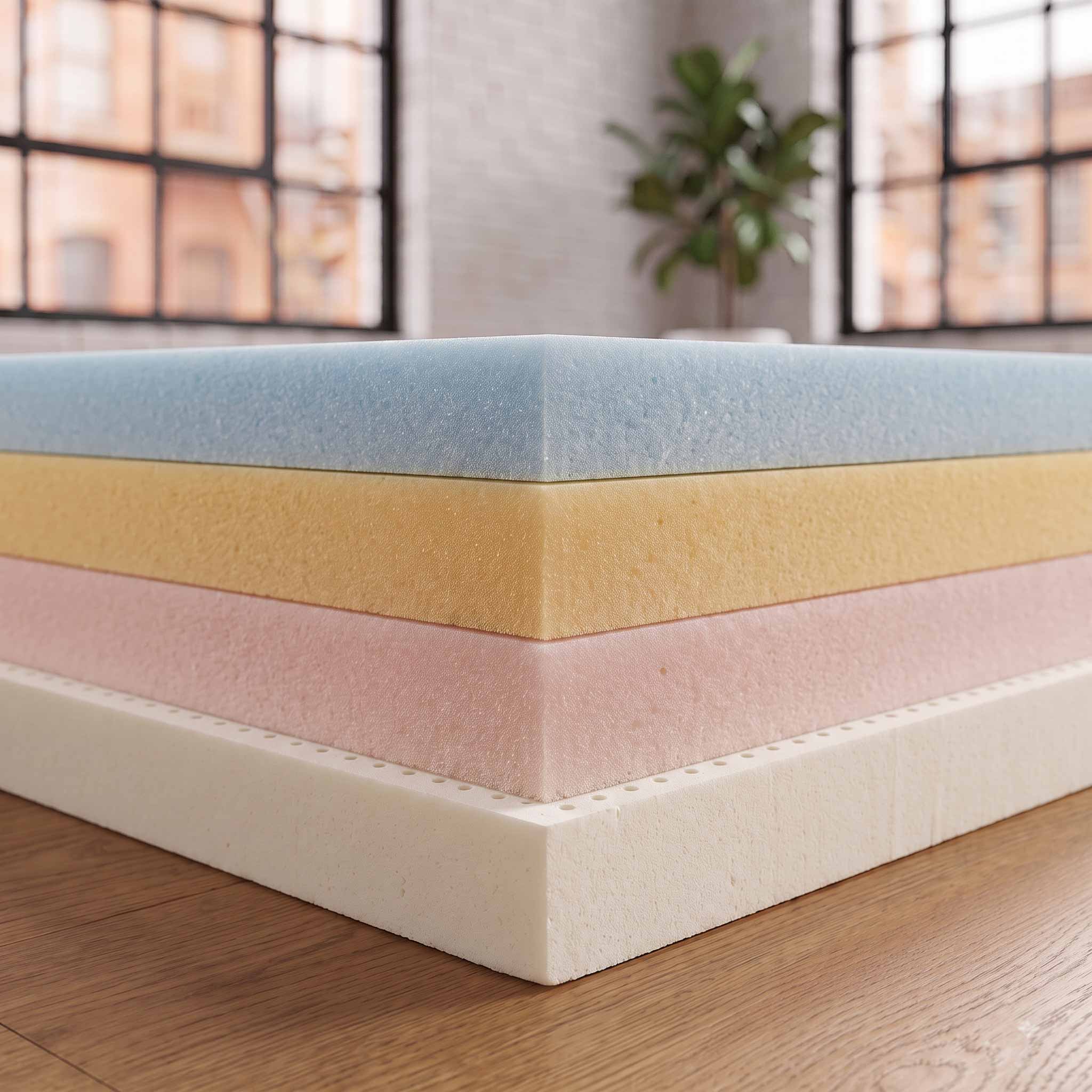
Your transition layer should complement both the core underneath and the comfort layer above. Its purpose is to control how gradually your body moves from pressure-relieving comfort into the deeper support of the mattress.

Think about what your existing build needs. A firmer transition increases resistance, a more responsive transition balances cushioning and support, and a softer transition allows pressure relief to extend deeper into the mattress.

DIY Transition Layers

Firmer

Choose a firmer transition when you want to reinforce the support of the core and reduce how deeply you settle into the mattress. This can be particularly helpful when using a soft comfort layer that needs more resistance underneath it.

High-Density Foam and firmer Organic Dunlop configurations are natural starting points when stronger transitional support is the priority.

DIY Transition Layers

Balanced

Support with More Give

A balanced transition adds enough cushioning to smooth the progression into the core while maintaining noticeable underlying support. It allows the mattress to contour more naturally without creating an overly soft or deeply conforming middle section.

High Resilience Foam, Organic Dunlop and Natural Talalay can all work well when you want this balance of response and support.

DIY Transition Layers

Softer

Extend the Pressure Relief

A softer transition allows your body to contour deeper into the mattress before encountering the firmer support of the core. Rather than concentrating all of the pressure relief in the top comfort layer, it allows the layers underneath to participate more in contouring.

Classic Talalay provides a softer, buoyant transition, while Memory Foam creates a slower, more cradling response. Both extend pressure relief deeper into the mattress, but with distinctly different feels.

Firmer

Choose a firmer transition when you want to reinforce the support of the core and reduce how deeply you settle into the mattress. This can be particularly helpful when using a soft comfort layer that needs more resistance underneath it.

High-Density Foam and firmer Organic Dunlop configurations are natural starting points when stronger transitional support is the priority.

Balanced

Support with More Give

A balanced transition adds enough cushioning to smooth the progression into the core while maintaining noticeable underlying support. It allows the mattress to contour more naturally without creating an overly soft or deeply conforming middle section.

High Resilience Foam, Organic Dunlop and Natural Talalay can all work well when you want this balance of response and support.

Softer

Extend the Pressure Relief

A softer transition allows your body to contour deeper into the mattress before encountering the firmer support of the core. Rather than concentrating all of the pressure relief in the top comfort layer, it allows the layers underneath to participate more in contouring.

Classic Talalay provides a softer, buoyant transition, while Memory Foam creates a slower, more cradling response. Both extend pressure relief deeper into the mattress, but with distinctly different feels.

DIY Transition LayersDIY Transition LayersDIY Transition Layers

Build Your Mattress

Start With Your Core. Build From There.
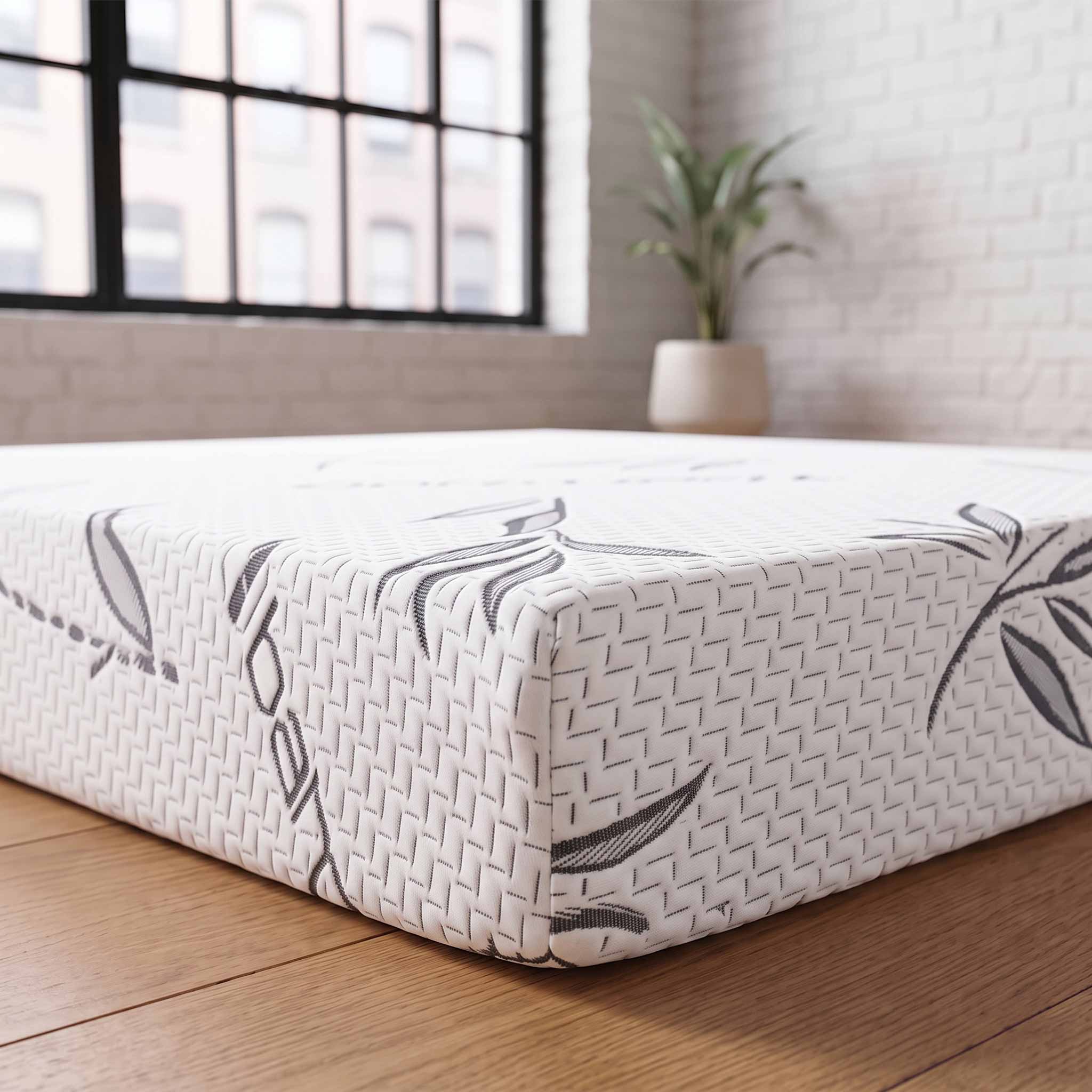
Every DIY mattress starts with a supportive core. From there, you can keep things simple or add layers to create more pressure relief, a smoother transition and a more customized feel.

We recommend building with a maximum of 10 inches of internal mattress material. Your core thickness determines how much room you have to work with, so choosing the core is also choosing how much flexibility you want when building above it.

Bamboo Cover on 6" Foam Mattress

1. Choose Your Core

Core Thickness Matters

The core provides the primary support for your body and establishes the foundation of the mattress. The thickness you choose also determines how much room you have for additional layers.

A 4-inch foam core provides the greatest flexibility and can be combined with two or three additional layers. A 6-inch foam or latex core can be used on its own or with one or two additional layers. Our 7-inch pocket coil core is designed to be paired with one comfort layer.

Shop DIY Cores
DIY Transition Layers

2. Add a Transition Layer

Create a Smoother Progression

A transition layer sits between the supportive core and softer comfort materials above. It creates a more gradual change in resistance, helping prevent you from moving too quickly through a soft surface layer and reaching the firmer core underneath.

Transition layers are 2 inches thick and can be used when additional depth or support is needed beneath the comfort layer. Not every mattress needs one. Especially if you're looking fr a firmer feel. Only add a transition layer when it improves the progression of support rather than simply to increase mattress thickness.

Shop DIY Transition Layers
Choose DIY Comfort Layers - Memory Foam Latex

3. Add Your Comfort Layer

Fine-Tune Pressure Relief

The comfort layer has the greatest influence on how the mattress feels when you first lie down. It provides contouring and pressure relief around the shoulders, hips and other pressure points while working with the support and transition layers underneath.

Comfort layers are available in 2-inch and 3-inch thicknesses. Choose 2 inches when you want more influence from the layers underneath, or 3 inches when you want deeper pressure relief and a more substantial comfort surface.

Shop DIY Comfort Layers

4. Finish With a Cover

Bring Your Layers Together

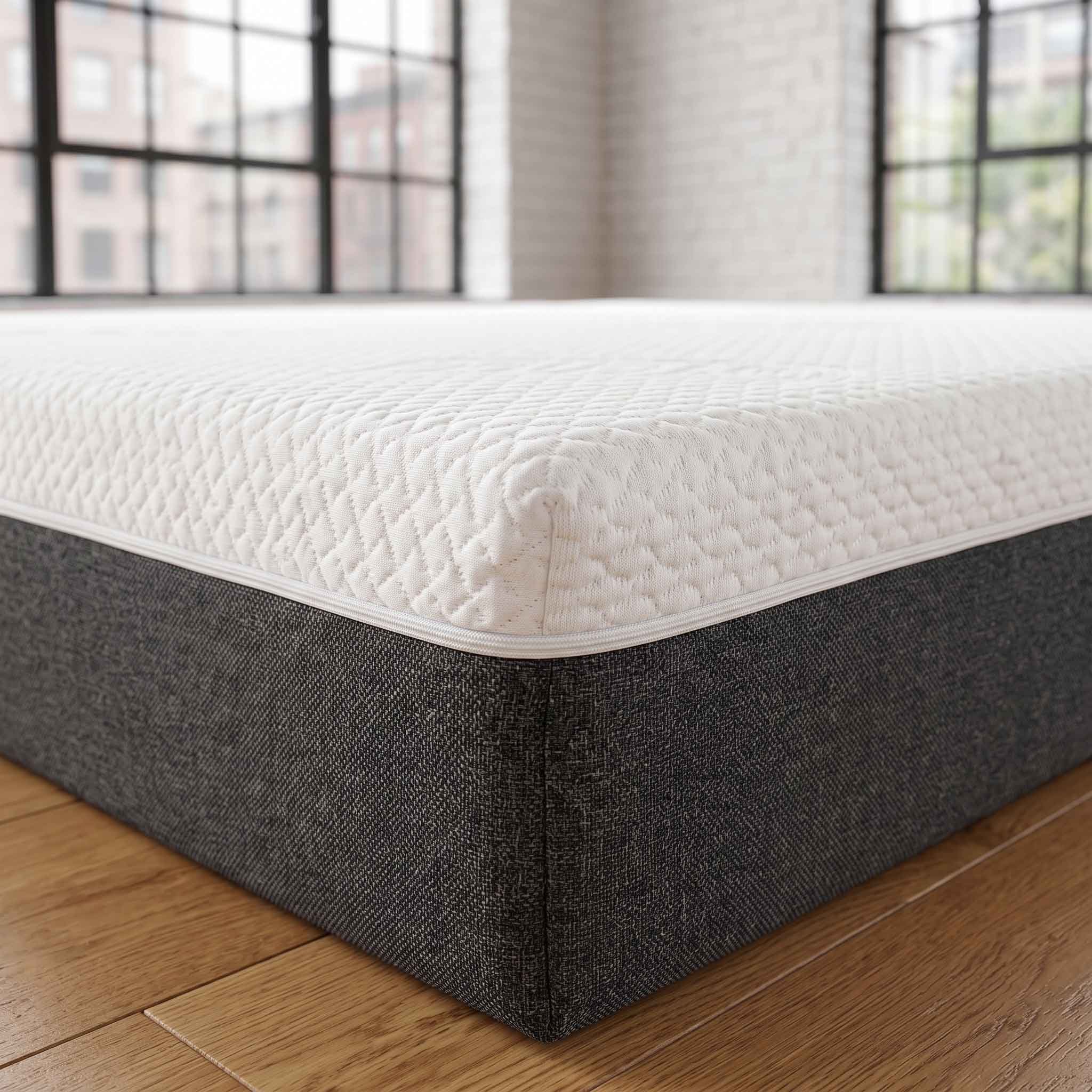
Once you have built your sleep system, our Tencel top-zippered mattress cover brings the individual components together into a finished mattress. Designed to accommodate 8 to 10 inches of material, the top zipper provides easy access to the layers inside so they can be rearranged or replaced as your comfort needs change.

The smooth, non-quilted surface keeps you closely connected to the feel of the materials underneath while giving your DIY build the fit and finish of a complete mattress.

Shop DIY Mattress Covers

The Details

Everything you need to know about your mattress, from materials and specifications to layer exchanges, shipping, warranty, and returns.    

See the Presto Mattress in Action

Take a closer look at the Presto Comfort Mattress, including its modular construction, adjustable firmness, and how the layers work together to create the right balance of comfort and support.

FAQ

Have questions about latex mattresses? Explore straightforward answers about materials, construction, firmness, care, and choosing the right mattress for you.

Our customer support is available Monday to Friday: 8am-3pm and from 12pm-2pm on Saturdays.Average answer time: 1 Business Day
Contact Us