



What is the Difference between Dunlop and Talalay Latex?
If you're shopping for a latex mattress, one of the first terms you'll encounter is Dunlop vs. Talalay latex. Both are methods used to turn liquid latex into the foam used in mattresses, toppers and pillows. While the raw material can be similar, differences in manufacturing create noticeably different characteristics.
The simplest explanation is that Dunlop tends to feel denser, firmer and more grounded, while Talalay tends to feel lighter, softer and more responsive. But there's more to the comparison than the manufacturing process alone.
What Is Dunlop Latex?
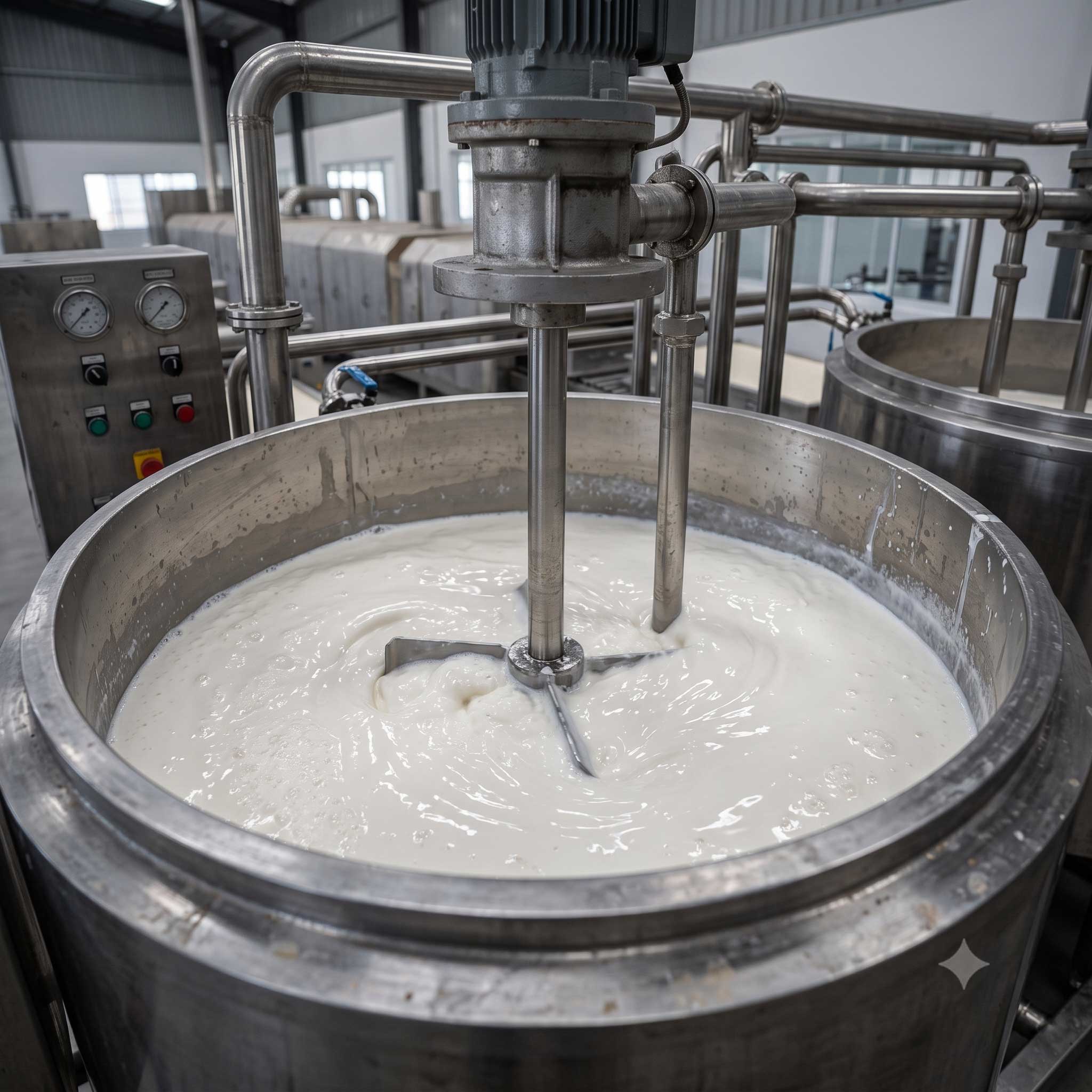
The Dunlop process is the older and simpler of the two manufacturing methods. Liquid latex is mixed into a foam, poured into a mould and vulcanized using heat. Once cured, the latex is washed and dried.
This relatively straightforward process creates a dense and supportive latex foam. Dunlop typically has less bounce and a more grounded feel than Talalay.
These characteristics make Dunlop particularly versatile in mattress construction. Firmer Dunlop works very well as a support core or transition layer, while softer versions can be used closer to the sleeping surface.
Dunlop is also commonly available as 100% natural or certified organic latex, making it a popular choice for mattresses where natural material content is a priority.
What Is Talalay Latex?
Talalay begins similarly, but the manufacturing process includes several additional steps.
Instead of completely filling the mould with liquid latex, the mould is partially filled and vacuum-expanded. The expanded foam is then frozen before being vulcanized. This helps create a very consistent, open-cell latex structure.
The result is latex that generally feels more buoyant, responsive and pressure-relieving than Dunlop. When you press into Talalay and release it, it tends to spring back very quickly.
This responsive feel makes Talalay particularly popular in comfort layers, where its ability to contour while maintaining a buoyant feel can provide excellent pressure relief without the slow, sinking sensation associated with memory foam.
How Do Dunlop and Talalay Feel Different?
The biggest difference for most sleepers isn't how the latex is manufactured. It's how it feels.
Dunlop generally has a denser, more substantial feel. As you compress it, the resistance builds quickly, creating strong underlying support. This can make Dunlop feel stable and grounded.
Talalay generally feels lighter and more elastic. It compresses more easily and responds quickly to movement, creating the buoyant or floating sensation often associated with latex mattresses.
Neither characteristic is automatically better. Someone who likes a stable, supportive sleeping surface may prefer Dunlop. Someone looking for more pressure relief and responsiveness may prefer Talalay. Many mattresses combine the two, using Dunlop for support and Talalay closer to the surface.
Natural vs. Synthetic Content Matters Too
One of the most overlooked parts of the Dunlop vs. Talalay comparison is the rubber formulation itself.
The manufacturing process is only one factor determining how latex feels. The percentage of natural and synthetic rubber can make just as much of a difference.
Latex foam can be made using natural rubber derived from rubber-tree sap, synthetic rubber, or a blend of the two.
Synthetic rubber tends to produce a softer, less dense feel than natural rubber at comparable formulations. This is particularly important when comparing different types of Talalay.
For example, blended Talalay is generally softer and more yielding than 100% natural Talalay. Natural Talalay has a somewhat denser, more supportive feel while still retaining the responsiveness associated with the Talalay process.
This is why it's overly simplistic to assume that every Talalay mattress will be softer than every Dunlop mattress. Firmness, density, layer thickness and natural rubber content all contribute to the final feel.
Is Talalay Better Than Dunlop?
No. Talalay isn't an upgraded version of Dunlop, and Dunlop isn't simply a less expensive version of Talalay. They're different materials with different strengths.
Dunlop is an excellent choice when you want dense, durable and substantial support. It is especially useful in mattress cores and firmer configurations.
Talalay excels when you want responsiveness, buoyancy and pressure relief, particularly in the upper layers of a mattress.
A mattress can also use both. A Dunlop support layer combined with a Talalay comfort layer provides the grounded support of Dunlop with the more responsive surface feel of Talalay.
Which Latex Should You Choose?
Start with the feel you're trying to achieve rather than choosing a manufacturing process simply because one sounds more premium.
Choose Dunlop if you prefer a firmer, denser and more grounded latex feel or if natural and organic material options are a priority.
Choose Talalay if you prefer a more buoyant, responsive sleeping surface with easier compression and greater pressure relief.
Consider a Dunlop and Talalay combination if you want the characteristics of both: firmer Dunlop underneath for support with softer, more responsive Talalay closer to your body.
Ultimately, the best latex mattress isn't determined by whether the label says Dunlop or Talalay. The type of latex, natural rubber content, firmness, thickness and way the layers are combined all matter.

Leave a comment
This site is protected by hCaptcha and the hCaptcha Privacy Policy and Terms of Service apply.