
July 24, 2026 4 min read

Why Latex Mattresses, Toppers, and Pillows Can Still Develop Mold (And Why It’s Never Covered by Warranty)

Latex bedding has a well-earned reputation for durability, breathability, and natural resistance to dust mites and microbes. Natural latex, in particular, contains antimicrobial compounds from the rubber tree and features an open-cell structure that allows air to circulate. Many manufacturers highlight these qualities as major advantages over traditional memory foam or polyfoam.

Yet “resistant” does not mean “immune.” Under the wrong conditions, latex mattresses, toppers, and pillows can—and do—develop mold or mildew. Understanding why this happens, why warranties never cover it, and how to prevent it can save you from expensive disappointment and potential health issues.

Why Latex Products Remain Susceptible to Mold

Mold needs three things to thrive: moisture, organic material, and limited airflow. Latex provides some natural defenses, but it cannot overcome prolonged exposure to damp conditions.

Common triggers include:

  • High ambient humidity (especially above 60%) combined with poor ventilation, such as in basements, coastal climates, or poorly aired bedrooms.
  • Insufficient airflow underneath the product. Placing a latex mattress or topper directly on the floor, a solid platform, or a non-breathable foundation traps body moisture (the average person releases about a pint of moisture per night through sweat and respiration) and prevents evaporation.
  • Spills, sweat, or other liquids that soak into the foam or fabric cover and are not thoroughly dried.
  • Fabric covers and accumulated organic matter. Mold often grows first on the outer cover, batting, or residual skin cells/oils rather than deep in the latex core itself. Once established, it can spread.

Even though natural latex resists colonization better than many foams, sustained moisture can still lead to mold growth within 24–48 hours in severe cases. Synthetic or blended latex may be somewhat less resistant.

Mold and Moisture Damage Are Never Covered by Warranty

Virtually every major latex mattress, topper, and pillow warranty explicitly excludes mold, mildew, dampness, and water-related damage. Typical language includes:

  • “Under no circumstance is mould, mildew or water damage covered.”
  • Exclusions for “dampness, mould or mildew” and “damage caused by spills… or improper ventilation.”
  • Requirements that the product be used on a proper supportive base with good airflow and in a low-humidity environment.

These exclusions exist because manufacturers consider moisture issues the result of environmental conditions or user care rather than manufacturing defects. Warranties generally cover structural problems such as excessive permanent indentations or material failure under normal use—not consequences of humidity, poor foundations, or liquid exposure.

Once mold appears, claims are routinely denied. In many cases the product must be discarded for health reasons, leaving the owner with a full replacement cost.

How to Prevent Mold on Latex Mattresses, Toppers, and Pillows

Prevention is straightforward and far more effective than remediation:

  1. Use a proper foundation
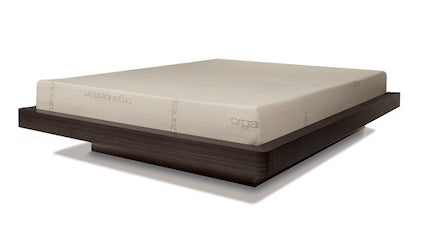
    Choose a slatted base with gaps of about 2–3 inches (or less) between slats, or a well-ventilated platform. Never place the mattress or topper directly on the floor or a solid surface that blocks airflow.
  2. Control humidity
    Keep bedroom relative humidity between 30% and 50%. Use a dehumidifier in humid climates or basements, and improve ventilation with fans or open windows when weather allows.
  3. Protect the surface
    Use a high-quality, breathable waterproof mattress protector or pillow protector. Avoid fully impermeable plastic covers that trap moisture against the latex. A good protector blocks spills and sweat while still allowing the latex to breathe.
  4. Air out regularly
    Strip the bed each morning and leave the mattress/topper uncovered for 15–30 minutes. Rotate or flip (if recommended by the manufacturer) on a regular schedule. For pillows, air them frequently and avoid sleeping with wet hair.
  5. Clean carefully and sparingly
    Never submerge latex in water or put it in a washing machine. Spot-clean only with a lightly damp cloth and mild detergent or a vinegar-water solution, then blot thoroughly and air-dry completely. Excess moisture is the enemy.
  6. Address spills immediately
    Blot (do not rub) any liquid right away. Follow with thorough drying using fans if needed. For pillows, treat stains promptly and ensure complete dryness before reuse.
  7. Store properly if not in use
    Keep products in a dry, ventilated area away from direct sunlight and extreme temperatures. Avoid sealed plastic bags for long-term storage.

What to Do If Mold Appears

If you discover mold:

  • Assess the extent. Surface growth on the cover may be cleanable; deep penetration into the latex core usually means replacement is safest.
  • Spot-treat carefully with white vinegar solutions or baking soda (never soak the latex). Dry completely afterward.
  • Improve the environmental conditions that caused the problem.
  • In most cases involving significant growth or a persistent musty odor, replace the item. Lingering mold spores can affect indoor air quality and trigger allergies or respiratory issues.

The Bottom Line

Latex mattresses, toppers, and pillows offer excellent performance and natural advantages, but they are not invincible against moisture. Manufacturers design warranties to cover manufacturing defects, not environmental or care-related mold problems. By providing good airflow, controlling humidity, using breathable protectors, and maintaining simple daily habits, you can enjoy the benefits of latex for many years while keeping mold at bay.

Invest a little attention in prevention now, and your latex bedding will reward you with long-lasting comfort instead of an unexpected replacement cost.