
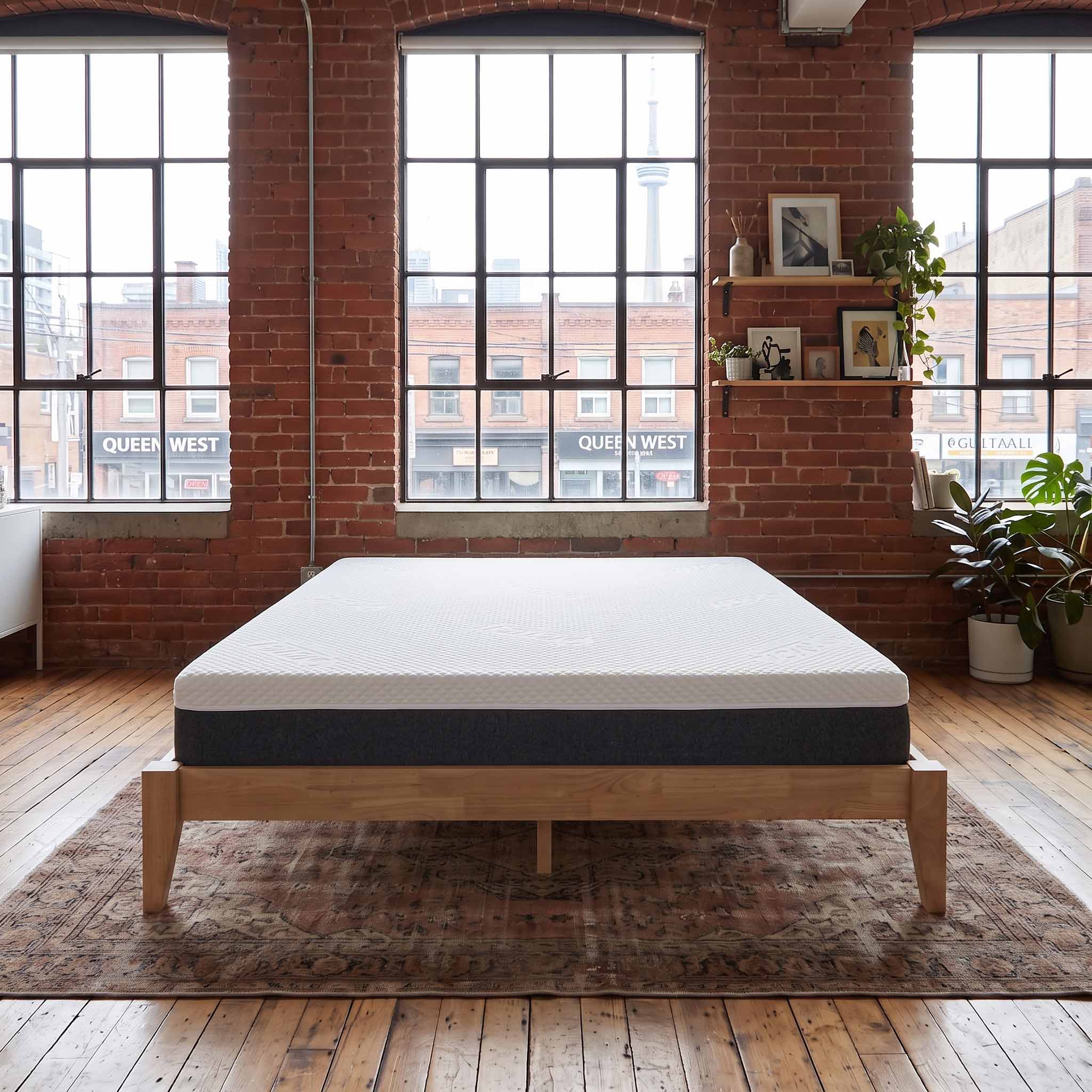

Housses de matelas DIY
Transformez les couches de votre matelas individuel en un système de sommeil complet sans sacrifier la souplesse qui fait le succès d'un matelas DIY. Notre housse de matelas Tencel à fermeture éclair est conçue pour 8 à 10 pouces de matériaux, assemblant vos couches tout en les gardant faciles d'accès, à réorganiser ou à remplacer selon l'évolution de vos besoins en matière de confort.
All prices include shipping
Finish Your Mattress. Keep It Flexible.
Accessible
Open it from the top. The top zipper makes it easy to reach your mattress layers without removing the entire cover.
Modular
Keep your options open. Rearrange or replace individual layers as your comfort needs change instead of replacing the complete mattress.
Streamlined
Let the layers do the work. The smooth, non-quilted construction adds minimal cushioning, keeping you closely connected to the feel of the materials underneath.
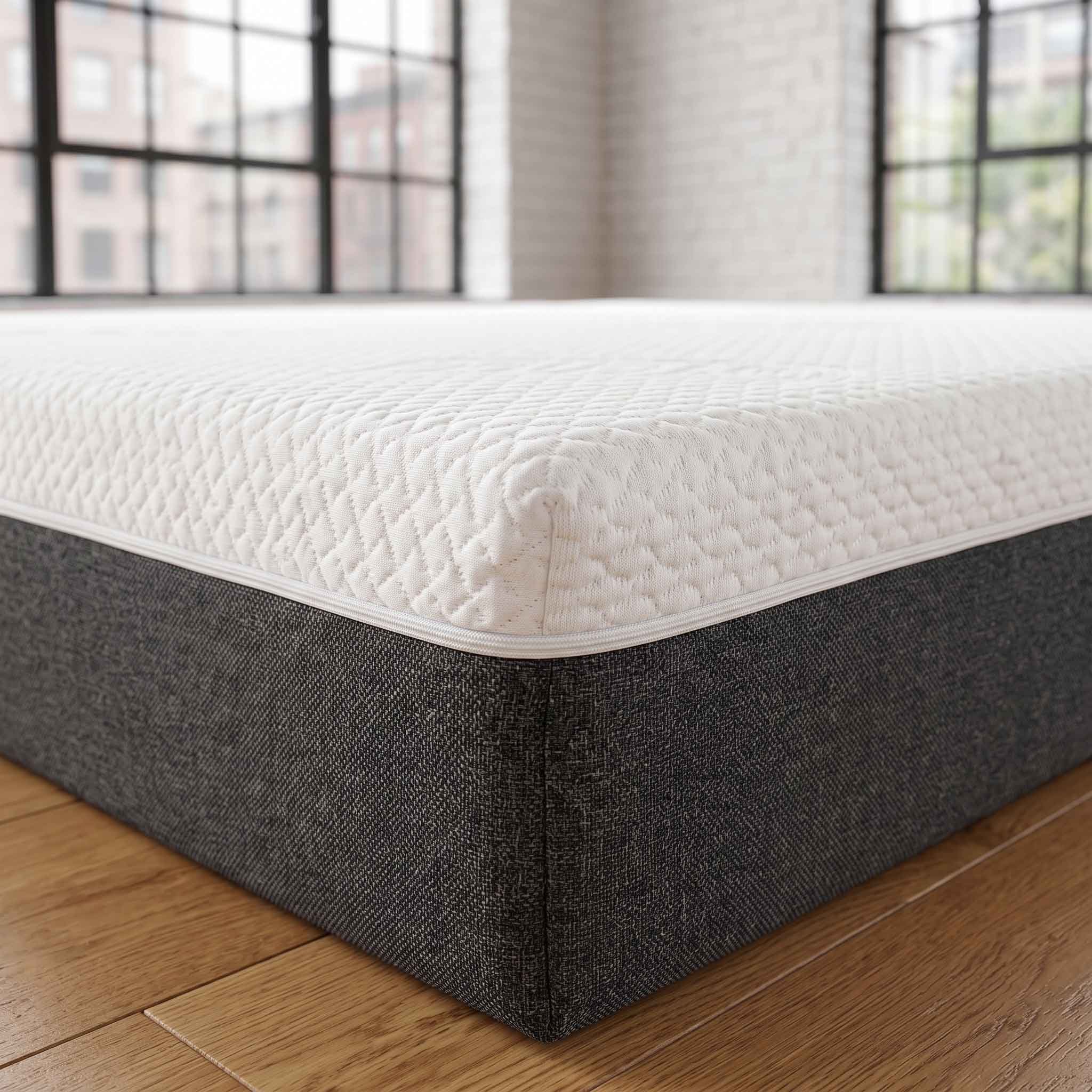
Smooth & Breathable
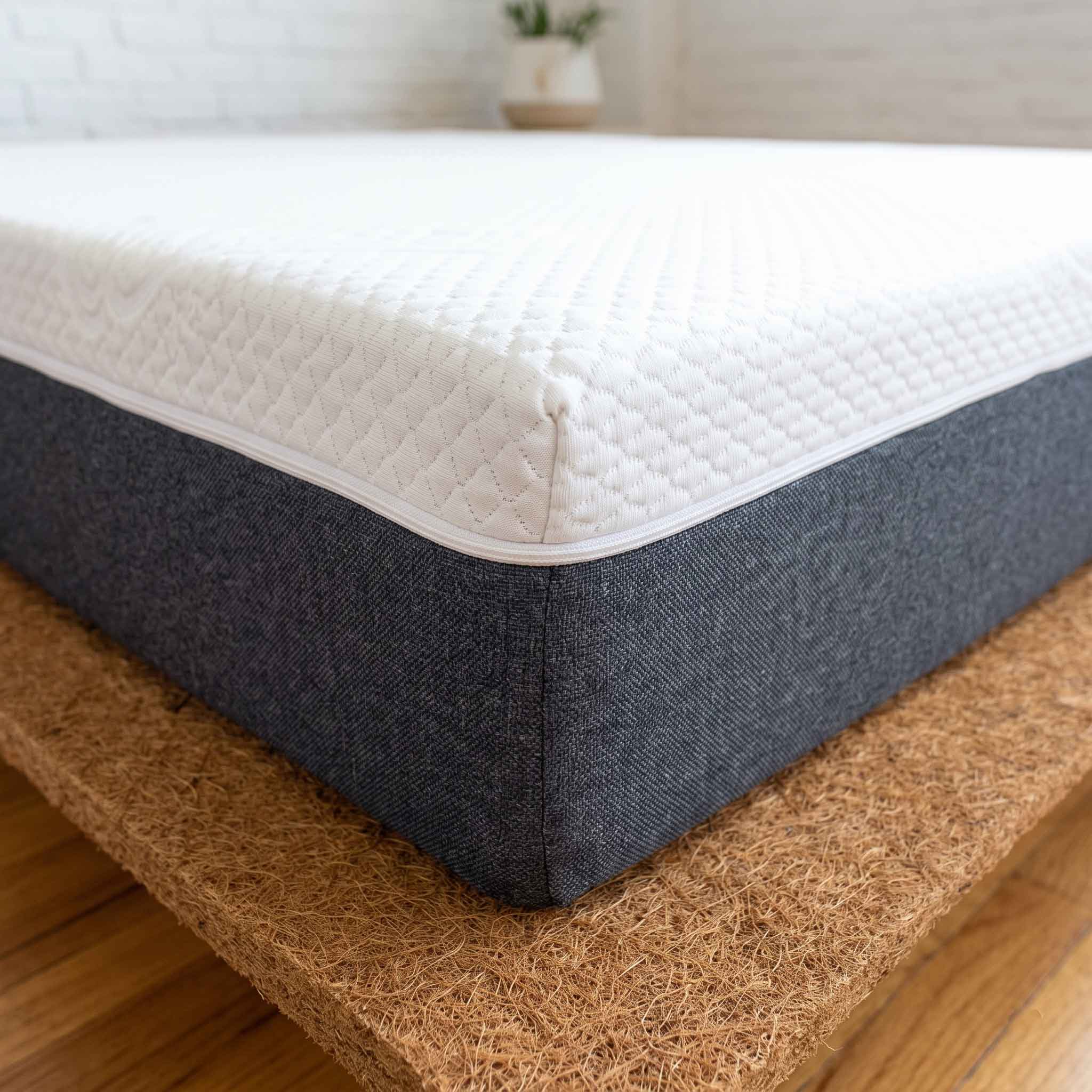
The smooth Tencel surface creates a soft, breathable sleep surface without the added loft of a heavily quilted cover. Its streamlined construction allows the comfort layers underneath to contour and respond more directly to your body.
This makes it particularly well suited to modular mattresses where the latex or foam inside is intended to determine the feel.
Easy Access to Every Layer
A zipper around the top of the cover allows the upper panel to open without removing the entire mattress cover. This provides direct access to the individual components inside whenever you want to rearrange, replace or inspect your layers.
It is a simple feature that makes a modular mattress significantly easier to adjust over time.
Built for DIY Mattresses
The cover is designed to accommodate DIY mattress builds containing 8 to 10 inches of internal material. This gives you flexibility to combine different cores, transition layers and comfort layers while keeping the finished mattress contained in a single cover.
Choose the cover size that corresponds with the total thickness of the components inside your mattress.
Smooth & Breathable
The smooth Tencel surface creates a soft, breathable sleep surface without the added loft of a heavily quilted cover. Its streamlined construction allows the comfort layers underneath to contour and respond more directly to your body.
This makes it particularly well suited to modular mattresses where the latex or foam inside is intended to determine the feel.
Easy Access to Every Layer
A zipper around the top of the cover allows the upper panel to open without removing the entire mattress cover. This provides direct access to the individual components inside whenever you want to rearrange, replace or inspect your layers.
It is a simple feature that makes a modular mattress significantly easier to adjust over time.
Built for DIY Mattresses
The cover is designed to accommodate DIY mattress builds containing 8 to 10 inches of internal material. This gives you flexibility to combine different cores, transition layers and comfort layers while keeping the finished mattress contained in a single cover.
Choose the cover size that corresponds with the total thickness of the components inside your mattress.
Build Your Mattress
Bring the Individual Layers Together
The Tencel Top-Zip Cover is the final step in building your DIY mattress. Start with your core, add transition and comfort layers where they serve a purpose, then use the cover to bring the completed construction together.
We recommend a maximum of 10 inches of internal mattress material. If you want additional cushioning beyond the finished build, a standalone topper can always be placed above the covered mattress.
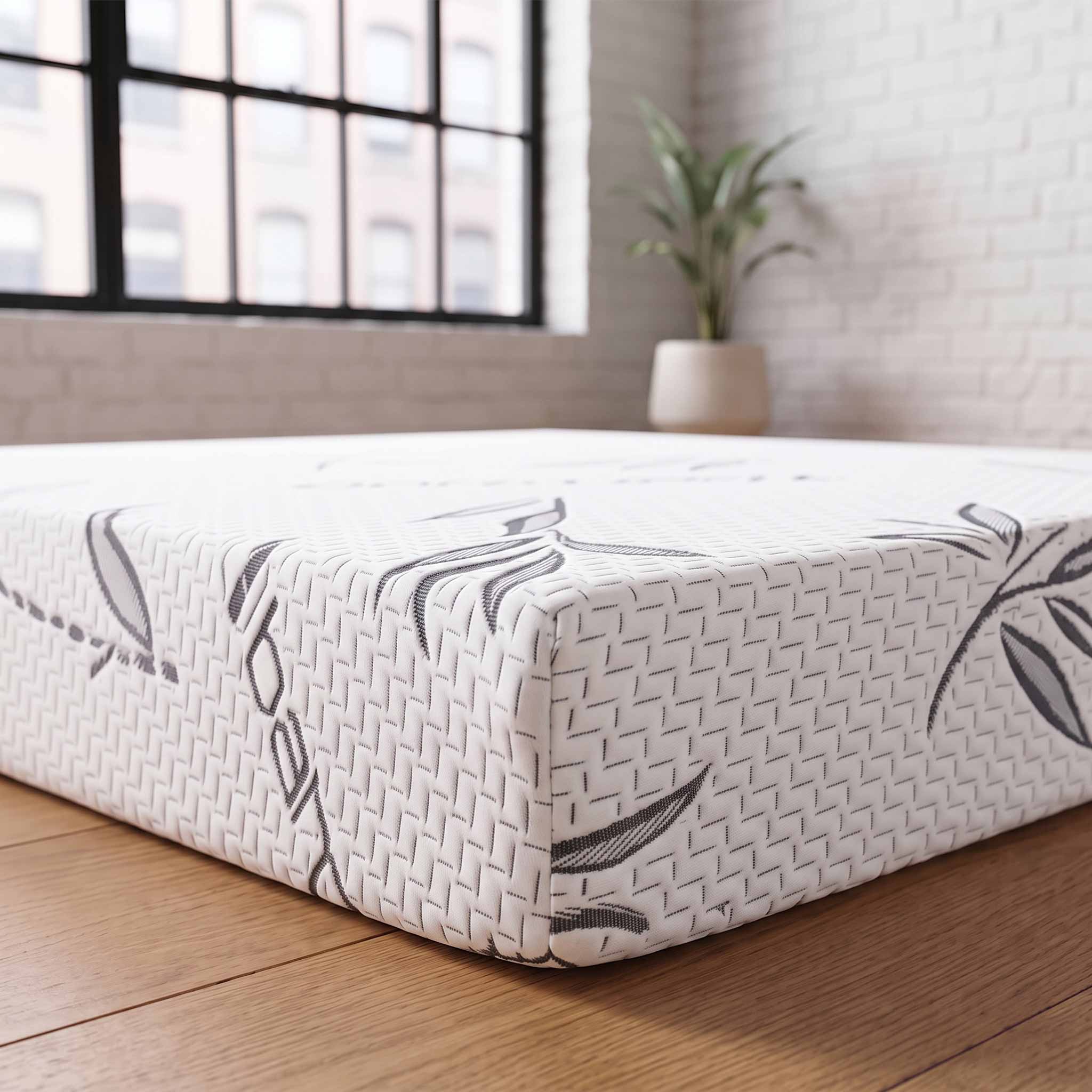
1. Choose Your Core
Core Thickness Matters
The core provides the primary support for your body and establishes the foundation of the mattress. The thickness you choose also determines how much room you have for additional layers.
A 4-inch foam core provides the greatest flexibility and can be combined with two or three additional layers. A 6-inch foam or latex core can be used on its own or with one or two additional layers. Our 7-inch pocket coil core is designed to be paired with one comfort layer.
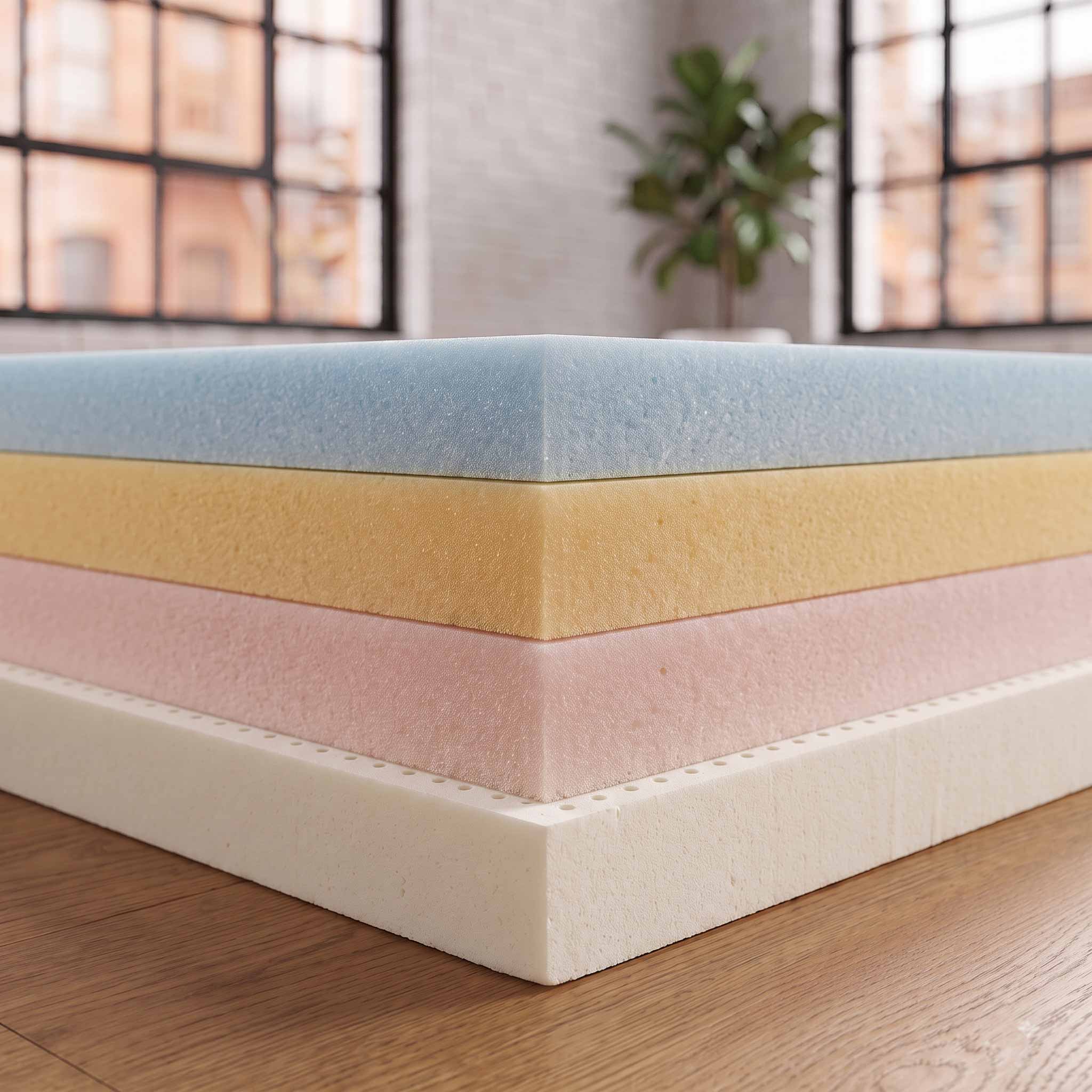
2. Add a Transition Layer
Create a Smoother Progression
A transition layer sits between the supportive core and softer comfort materials above. It creates a more gradual change in resistance, helping prevent you from moving too quickly through a soft surface layer and reaching the firmer core underneath.
Transition layers are 2 inches thick and can be used when additional depth or support is needed beneath the comfort layer. Not every mattress needs one. Especially if you're looking fr a firmer feel. Only add a transition layer when it improves the progression of support rather than simply to increase mattress thickness.
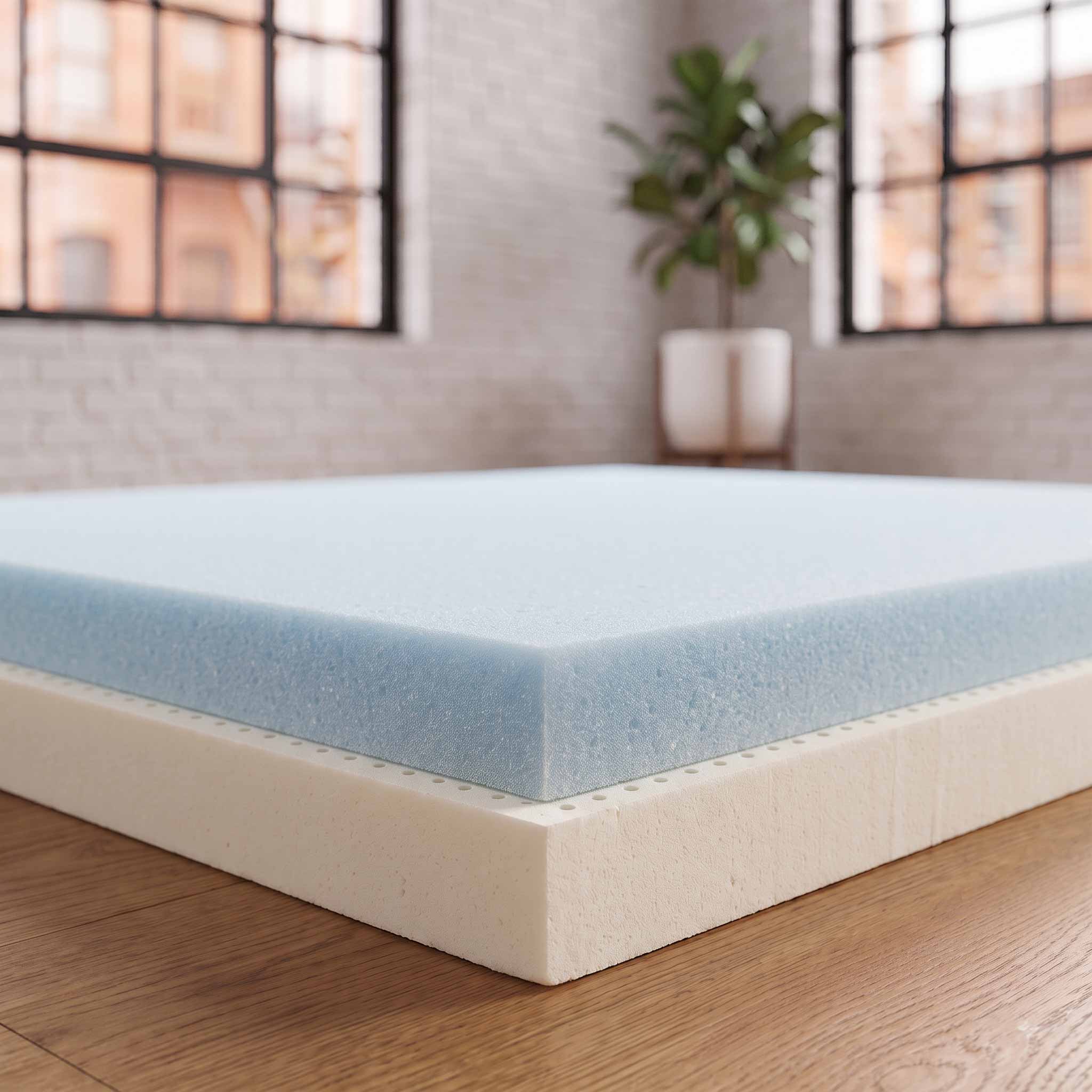
3. Add Your Comfort Layer
Fine-Tune Pressure Relief
The comfort layer has the greatest influence on how the mattress feels when you first lie down. It provides contouring and pressure relief around the shoulders, hips and other pressure points while working with the support and transition layers underneath.
Comfort layers are available in 2-inch and 3-inch thicknesses. Choose 2 inches when you want more influence from the layers underneath, or 3 inches when you want deeper pressure relief and a more substantial comfort surface.
4. Finish With a Cover
Bring Your Layers Together
Once you have built your sleep system, our Tencel top-zippered mattress cover brings the individual components together into a finished mattress. Designed to accommodate 8 to 10 inches of material, the top zipper provides easy access to the layers inside so they can be rearranged or replaced as your comfort needs change.
The smooth, non-quilted surface keeps you closely connected to the feel of the materials underneath while giving your DIY build the fit and finish of a complete mattress.
Why Top-Zip?
A Mattress That Can Change With You
Traditional mattress covers permanently enclose the materials inside, making the individual components difficult or impossible to access. A top-zippered cover takes a different approach.
If your comfort preferences change, you can open the mattress and rearrange the existing layers. If one component needs to change, you can replace that individual layer rather than replacing the entire mattress.
It is what turns a collection of DIY components into a genuinely modular mattress system.
The Details
Everything you need to know about your mattress, from materials and specifications to layer exchanges, shipping, warranty, and returns.
Cover Details
Tencel Cover Specs
Top Fabric: 35% Tencel / 65% Polyester
Quilt Layer: None
Quilt Backing: None
Sides: 100% Polyester
Handles: None
Zipper: 4-Sided Nylon Top-Zipper
Layer Covers: None
Shipping, Returns and Warranty
Learn what to expect after you order, including shipping and delivery information, warranty coverage, and our return policy.

See the Presto Mattress in Action
Take a closer look at the Presto Comfort Mattress, including its modular construction, adjustable firmness, and how the layers work together to create the right balance of comfort and support.
FAQ
Have questions about latex mattresses? Explore straightforward answers about materials, construction, firmness, care, and choosing the right mattress for you.
What is the difference between Dunlop and Talalay latex?
Dunlop and Talalay are two different methods of manufacturing latex foam. Both can produce high-quality, durable latex for mattresses, but they generally have different feels.
Dunlop latex is denser, firmer and more supportive. It has a more grounded feel with less bounce, making it particularly well suited to support and transition layers.
Talalay latex has a lighter, more responsive feel. It compresses more easily and has more bounce, which is why it is commonly used in comfort layers and mattresses designed for greater pressure relief.
The manufacturing process isn't the only factor that affects how latex feels. Natural rubber content is equally important. For example, blended Talalay made with natural and synthetic rubber is generally softer than 100% natural Talalay. A soft blended Dunlop can also feel softer than a firmer 100% natural Talalay.
Neither process is inherently better. The right choice depends on the feel, firmness and support you're looking for.
What is the difference between Natural and Synthetic rubber?
Natural and synthetic latex can both be used to make durable, responsive mattress foam, but they differ in where the rubber comes from and how the finished latex feels.
Natural latex is made from natural rubber harvested from rubber trees. Synthetic latex is made from petrochemical-derived rubber, most commonly styrene-butadiene rubber (SBR). Many latex products use a blend of natural and synthetic rubber rather than being entirely one or the other.
Natural rubber generally produces a denser, firmer and more supportive latex foam. Adding
synthetic rubber can create a softer, more yielding feel. This means natural content can affect mattress feel just as much as whether the latex is made using the Dunlop or Talalay process.
A higher natural content isn't automatically the right choice for every sleeper. The best option depends on your priorities for feel, support, natural materials and price.
Does latex have an odour?
Yes. Natural latex has a mild, distinctive rubber-like smell, especially when it is new. This is the natural scent of the latex itself and does not mean the mattress is off-gassing harmful chemicals.
Most people describe the smell as slightly sweet, rubbery or vanilla-like. It is generally most noticeable when a new mattress, topper or pillow is first unpacked and gradually becomes less noticeable with exposure to fresh air.
Because latex has its own natural scent, some smell may remain if you put your nose directly against the latex foam. However, once the latex is inside a mattress cover and bedding is added, most people don't notice it during normal use.
The strength of the scent can vary between different types and batches of latex. If you're particularly sensitive to smells, allowing the mattress to air out in a well-ventilated room before use can help.
What is the difference between a 100% Latex and Hybrid Latex Mattress?
A 100% latex mattress uses latex foam for both its comfort and support layers, while a hybrid latex mattress combines latex comfort layers with a pocket coil support system.
100% latex mattresses have a dense, supportive and highly responsive feel. Because the entire mattress is made from latex rather than springs, the feel can be more substantial and consistent from top to bottom. Their modular construction can also make it possible to adjust or replace individual latex layers in many designs.
Hybrid latex mattresses use a pocket coil base with typically 2 to 4 inches of latex above it. The coils create a more familiar mattress feel with additional bounce, airflow and strong edge support, while the latex provides pressure relief and keeps conventional polyurethane foam out of the comfort system.
Neither construction is inherently better. Choose 100% latex if you prioritize maximum latex content, durability and a substantial all-latex feel. Choose a hybrid if you prefer the buoyancy and edge support of pocket coils, a lighter mattress and a lower price point.
One important distinction: “100% latex mattress” describes the mattress construction. It does not necessarily mean the latex itself is 100% natural. Always check whether the latex is natural, synthetic or blended separately.
What fire retardants do you use?
All mattresses sold in Canada must meet federal mattress flammability requirements. The materials used in the mattress cover play an important role in meeting these requirements.
For our wool-covered mattresses, wool acts as the natural fire barrier. Wool is naturally resistant to ignition and is the only natural material we use that allows our mattress covers to meet the required flammability standard without an additional fire-retardant treatment.
A 100% cotton cover on its own will not pass Canadian mattress flammability requirements. A mattress using only cotton around the latex would therefore require an additional fire retardant or fire barrier to comply.
We also realize that some people may not like using animal byproducts or may want to lower the price a bit without sacrificing the mattress's overall quality. That's why we offer a second cover option that uses a combination of Tencel and synthetic fibres engineered to meet flammability requirements without applying an additional chemical fire-retardant treatment.
This is why we distinguish between a natural wool cover and a Tencel cover rather than claiming that every mattress can be made with a simple 100% cotton cover and no additional fire protection. We take safety seriously, and all our mattress covers have been tested by an independent third party to confirm they will pass all current Canadian Mattress Flammability guidelines.
What type of bed frame do I need?
The bed frame or foundation is an important part of a latex sleep system. Latex is flexible and heavy, so it needs a strong, evenly supported surface underneath it.
For MFC Latex Canada mattresses, the space between bed slats must be no more than 3 inches. Slat width must also be within 1/2 inch of the spacing between the slats. For example, if your slats are spaced 3 inches apart, they should be at least 2.5 inches wide.
The frame should be strong, stable and properly supported through the centre, particularly for Queen, King and other larger mattress sizes.
If your existing bed frame doesn't meet these requirements, you don't necessarily need to replace it. A coir mattress pad or coir bunkie board can be placed over the existing support system to bring nearly any suitable bed frame up to our warranty standard.
Unlike a traditional box spring, latex mattresses don't require a flexible foundation. A strong platform, properly spaced slats or a suitable frame combined with coir provides the firm, even support latex needs.
What is the warranty?
All mattresses come with a 10-year non-prorated warranty against permanent indentations. Comfort issues are handled through our Make It Right layer exchange program for the duration of the warranty period.
- 5 stars: 1 (100%)
- 4 stars: 0 (0%)
- 3 stars: 0 (0%)
- 2 stars: 0 (0%)
- 1 star: 0 (0%)
I am thrilled to have found a Canadian business that offers customizable mattress covers! I had been searching high and low for a high-quality, reasonably-priced zippered mattress cover to hold together the layers of my DIY 12-inch latex mattress. Memory Foam Comfort had exactly what I was looking for. The ordering process was easy, shipping was prompt, and the Wool Quilted Organic Cotton cover was a perfect fit. I was already satisfied with my latex mattress, so am pleasantly surprised that the quilted wool cover further improved the feeling of comfy support. I would highly recommend MFC's mattress covers to anyone building their own mattress.