


DIY床垫过渡层
在支撑和舒适之间建立更平滑的连接。我们的2英寸DIY床垫过渡层可让您微调床垫在下方核心层和上方舒适层之间的响应方式。选择最适合您床垫的材料和触感,在您需要的地方精确增加一个层次的支撑、压力缓解和控制。
All prices include shipping
Add a Layer for a Reason
Gradual
Smooth the transition. Create a more progressive change from the supportive core below to the softer comfort materials at the surface.
Supportive
Add resistance where needed. Prevent softer comfort materials from compressing too quickly into the firmer core underneath.
Adaptable
Fine-tune your build. Choose the material and firmness that create the right balance between deeper support and surface pressure relief.

Firm, Stable Transition
High-Density Foam creates a firmer, more stable transition between the core and comfort layer. Its consistent resistance reinforces the support underneath and limits how quickly you move through softer materials above.
It is a good choice when you want a more supportive progression without adding significant contouring through the middle of the mattress.
Available in 2".

Responsive Transition Support
High Resilience Foam combines support with greater elasticity and responsiveness than High-Density Foam. It compresses more readily under pressure while recovering quickly, creating a smoother bridge between a supportive core and softer comfort layer.
It is a versatile option when you want the transition layer to contribute both cushioning and support without creating a deeply conforming feel.
Available in 2".
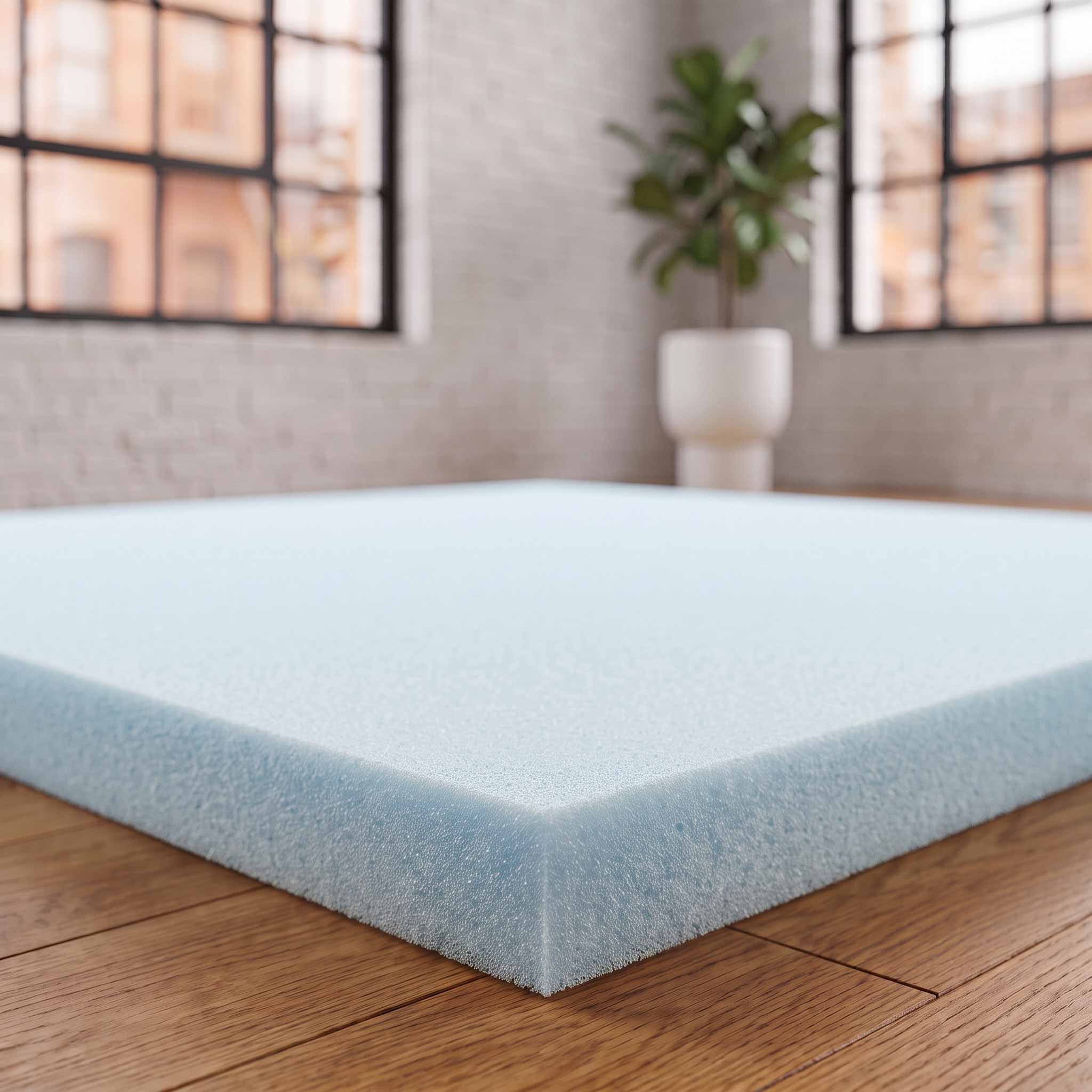
Memory foam creates a slower, more conforming transition that allows the body to settle deeper into the mattress before reaching the firmer support core below. Unlike the quicker response of latex or High Resilience Foam, it compresses gradually under pressure and creates a more cradling feel through the middle of the mattress.
Used as a transition layer, memory foam can extend pressure relief beyond the surface comfort layer while keeping its slower, contouring feel deeper within the mattress.
Available in 2".
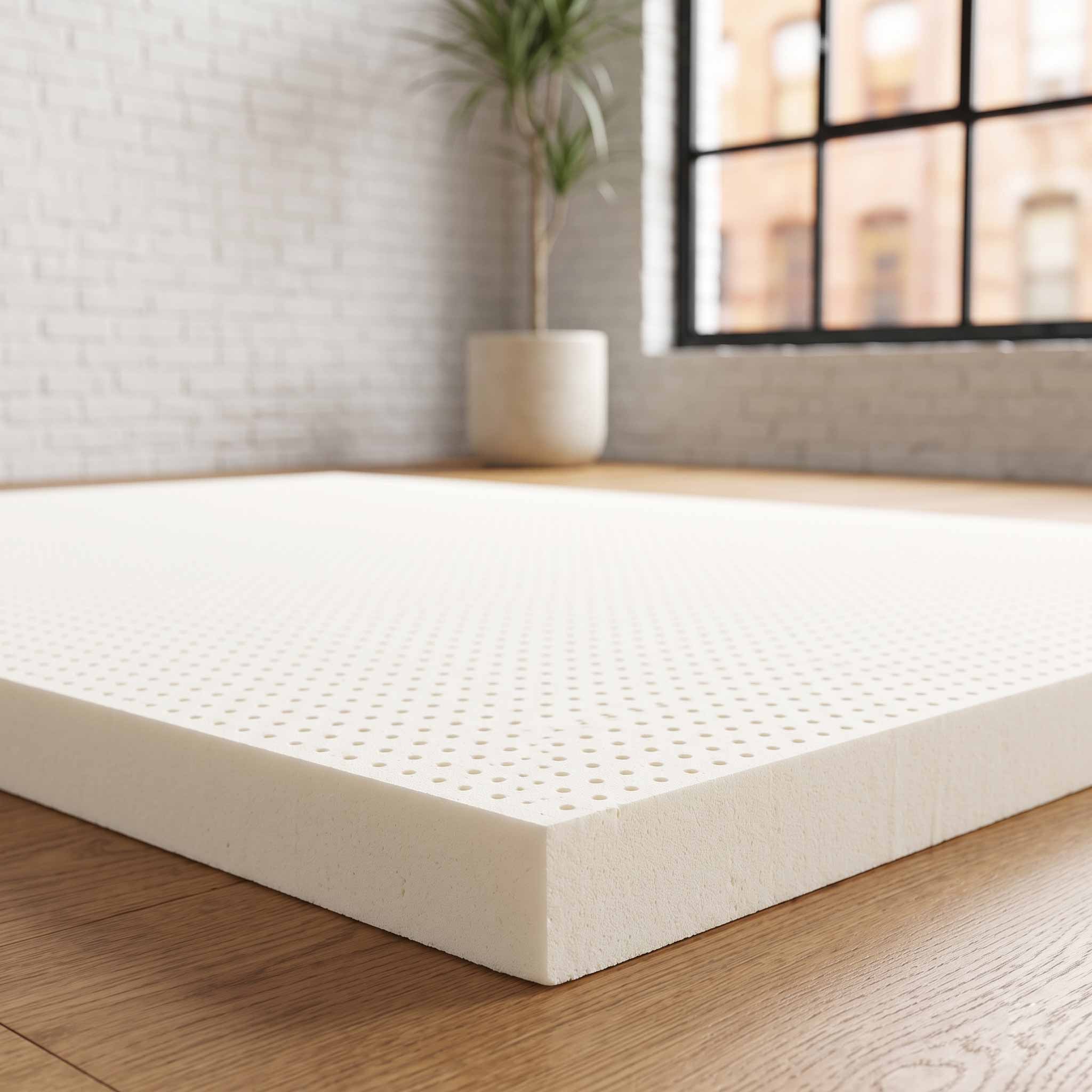
Naturally Responsive Transition
GOLS-certified organic Dunlop latex provides a responsive, supportive transition with a denser and more grounded feel than Talalay. Its natural elasticity allows it to contour under pressure while maintaining enough resistance to support softer comfort materials above.
Dunlop is particularly well suited to all-latex builds or sleepers who want a durable, supportive transition with the responsive character of natural latex.
Available in 2".
Softer, Buoyant Transition
Classic Talalay creates a softer, more buoyant transition that allows pressure relief to begin deeper within the mattress. Its lighter response bridges the space between the support core and comfort layer without introducing the denser feel of Dunlop.
It is a good choice when you want greater contouring through the mattress or are building a softer, more pressure-relieving sleep system.
Available in 2".
Buoyant with More Support
Natural Talalay provides the buoyant, responsive character of Talalay with greater resistance than Classic Talalay. It creates a supportive transition that contours easily while maintaining a stronger connection to the core below.
It is a good choice when you want Talalay responsiveness throughout the mattress but need greater underlying support than Classic Talalay provides.
Available in 2".
Firm, Stable Transition
High-Density Foam creates a firmer, more stable transition between the core and comfort layer. Its consistent resistance reinforces the support underneath and limits how quickly you move through softer materials above.
It is a good choice when you want a more supportive progression without adding significant contouring through the middle of the mattress.
Available in 2".
Responsive Transition Support
High Resilience Foam combines support with greater elasticity and responsiveness than High-Density Foam. It compresses more readily under pressure while recovering quickly, creating a smoother bridge between a supportive core and softer comfort layer.
It is a versatile option when you want the transition layer to contribute both cushioning and support without creating a deeply conforming feel.
Available in 2".
Memory foam creates a slower, more conforming transition that allows the body to settle deeper into the mattress before reaching the firmer support core below. Unlike the quicker response of latex or High Resilience Foam, it compresses gradually under pressure and creates a more cradling feel through the middle of the mattress.
Used as a transition layer, memory foam can extend pressure relief beyond the surface comfort layer while keeping its slower, contouring feel deeper within the mattress.
Available in 2".
Naturally Responsive Transition
GOLS-certified organic Dunlop latex provides a responsive, supportive transition with a denser and more grounded feel than Talalay. Its natural elasticity allows it to contour under pressure while maintaining enough resistance to support softer comfort materials above.
Dunlop is particularly well suited to all-latex builds or sleepers who want a durable, supportive transition with the responsive character of natural latex.
Available in 2".
Softer, Buoyant Transition
Classic Talalay creates a softer, more buoyant transition that allows pressure relief to begin deeper within the mattress. Its lighter response bridges the space between the support core and comfort layer without introducing the denser feel of Dunlop.
It is a good choice when you want greater contouring through the mattress or are building a softer, more pressure-relieving sleep system.
Available in 2".
Buoyant with More Support
Natural Talalay provides the buoyant, responsive character of Talalay with greater resistance than Classic Talalay. It creates a supportive transition that contours easily while maintaining a stronger connection to the core below.
It is a good choice when you want Talalay responsiveness throughout the mattress but need greater underlying support than Classic Talalay provides.
Available in 2".
How to Choose Your Transition Layer
Your transition layer should complement both the core underneath and the comfort layer above. Its purpose is to control how gradually your body moves from pressure-relieving comfort into the deeper support of the mattress.
Think about what your existing build needs. A firmer transition increases resistance, a more responsive transition balances cushioning and support, and a softer transition allows pressure relief to extend deeper into the mattress.
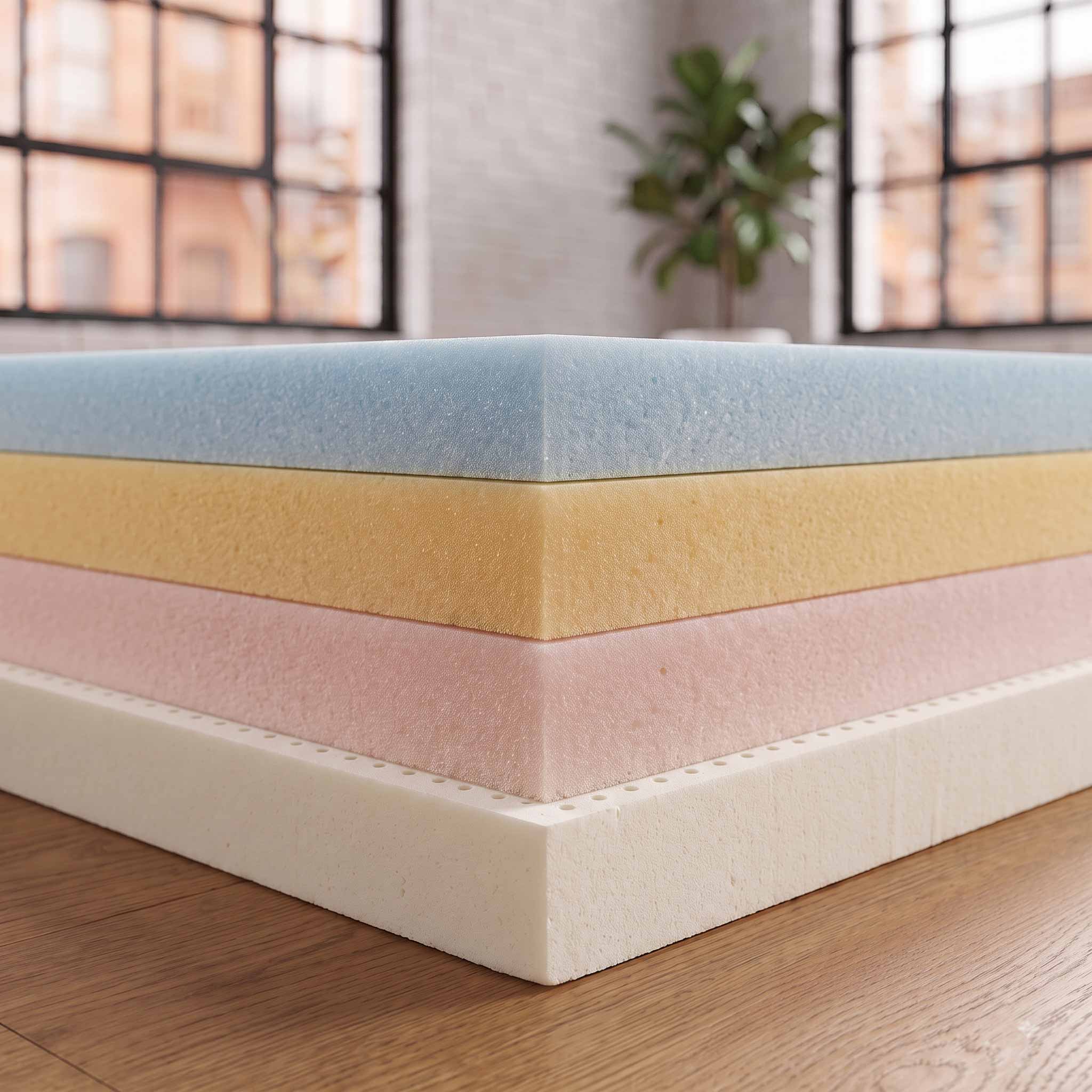
Choose a firmer transition when you want to reinforce the support of the core and reduce how deeply you settle into the mattress. This can be particularly helpful when using a soft comfort layer that needs more resistance underneath it.
High-Density Foam and firmer Organic Dunlop configurations are natural starting points when stronger transitional support is the priority.
Support with More Give
A balanced transition adds enough cushioning to smooth the progression into the core while maintaining noticeable underlying support. It allows the mattress to contour more naturally without creating an overly soft or deeply conforming middle section.
High Resilience Foam, Organic Dunlop and Natural Talalay can all work well when you want this balance of response and support.
Extend the Pressure Relief
A softer transition allows your body to contour deeper into the mattress before encountering the firmer support of the core. Rather than concentrating all of the pressure relief in the top comfort layer, it allows the layers underneath to participate more in contouring.
Classic Talalay provides a softer, buoyant transition, while Memory Foam creates a slower, more cradling response. Both extend pressure relief deeper into the mattress, but with distinctly different feels.
Choose a firmer transition when you want to reinforce the support of the core and reduce how deeply you settle into the mattress. This can be particularly helpful when using a soft comfort layer that needs more resistance underneath it.
High-Density Foam and firmer Organic Dunlop configurations are natural starting points when stronger transitional support is the priority.
Support with More Give
A balanced transition adds enough cushioning to smooth the progression into the core while maintaining noticeable underlying support. It allows the mattress to contour more naturally without creating an overly soft or deeply conforming middle section.
High Resilience Foam, Organic Dunlop and Natural Talalay can all work well when you want this balance of response and support.
Extend the Pressure Relief
A softer transition allows your body to contour deeper into the mattress before encountering the firmer support of the core. Rather than concentrating all of the pressure relief in the top comfort layer, it allows the layers underneath to participate more in contouring.
Classic Talalay provides a softer, buoyant transition, while Memory Foam creates a slower, more cradling response. Both extend pressure relief deeper into the mattress, but with distinctly different feels.
Build Your Mattress
Start With Your Core. Build From There.
Every DIY mattress starts with a supportive core. From there, you can keep things simple or add layers to create more pressure relief, a smoother transition and a more customized feel.
We recommend building with a maximum of 10 inches of internal mattress material. Your core thickness determines how much room you have to work with, so choosing the core is also choosing how much flexibility you want when building above it.
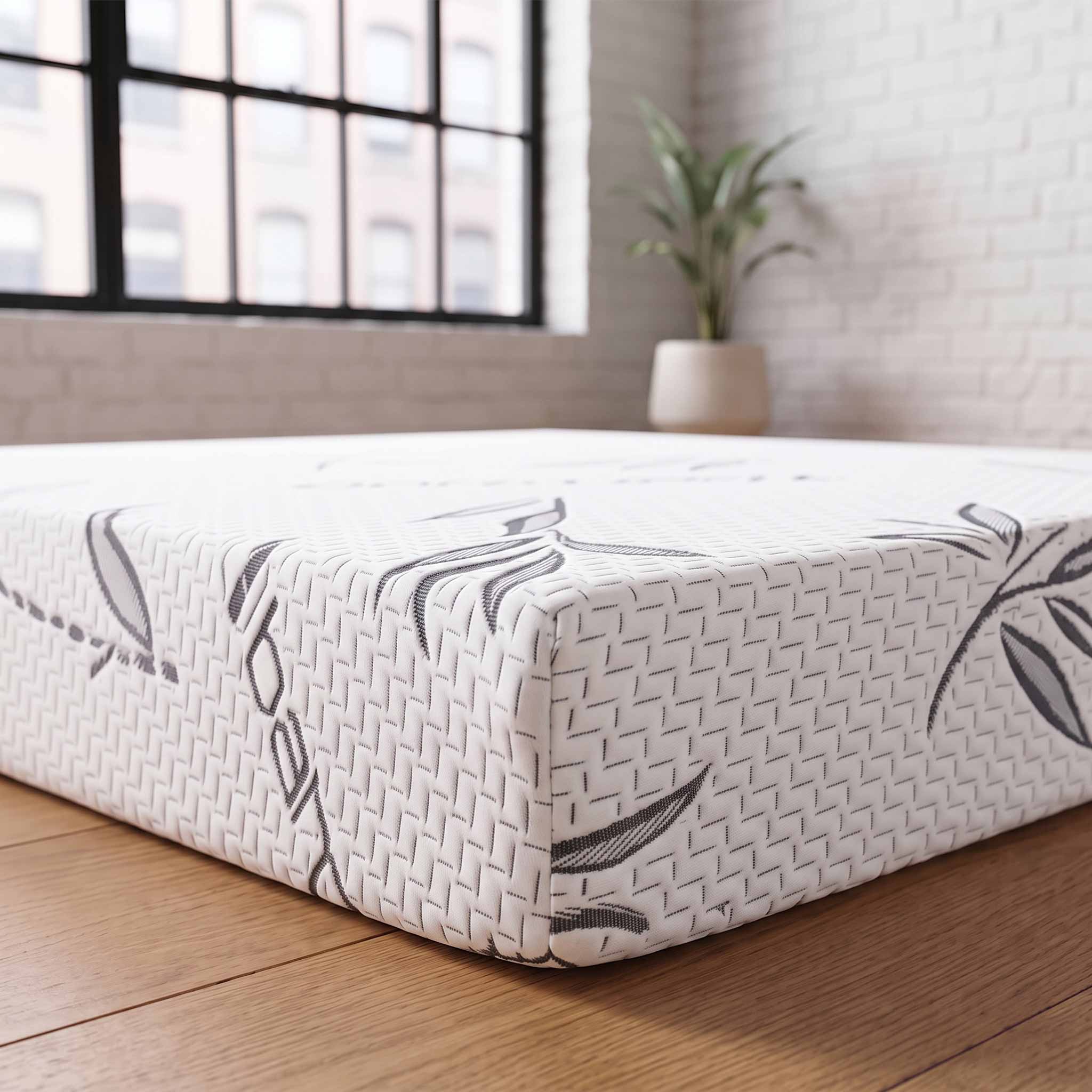
1. Choose Your Core
Core Thickness Matters
The core provides the primary support for your body and establishes the foundation of the mattress. The thickness you choose also determines how much room you have for additional layers.
A 4-inch foam core provides the greatest flexibility and can be combined with two or three additional layers. A 6-inch foam or latex core can be used on its own or with one or two additional layers. Our 7-inch pocket coil core is designed to be paired with one comfort layer.
2. Add a Transition Layer
Create a Smoother Progression
A transition layer sits between the supportive core and softer comfort materials above. It creates a more gradual change in resistance, helping prevent you from moving too quickly through a soft surface layer and reaching the firmer core underneath.
Transition layers are 2 inches thick and can be used when additional depth or support is needed beneath the comfort layer. Not every mattress needs one. Especially if you're looking fr a firmer feel. Only add a transition layer when it improves the progression of support rather than simply to increase mattress thickness.
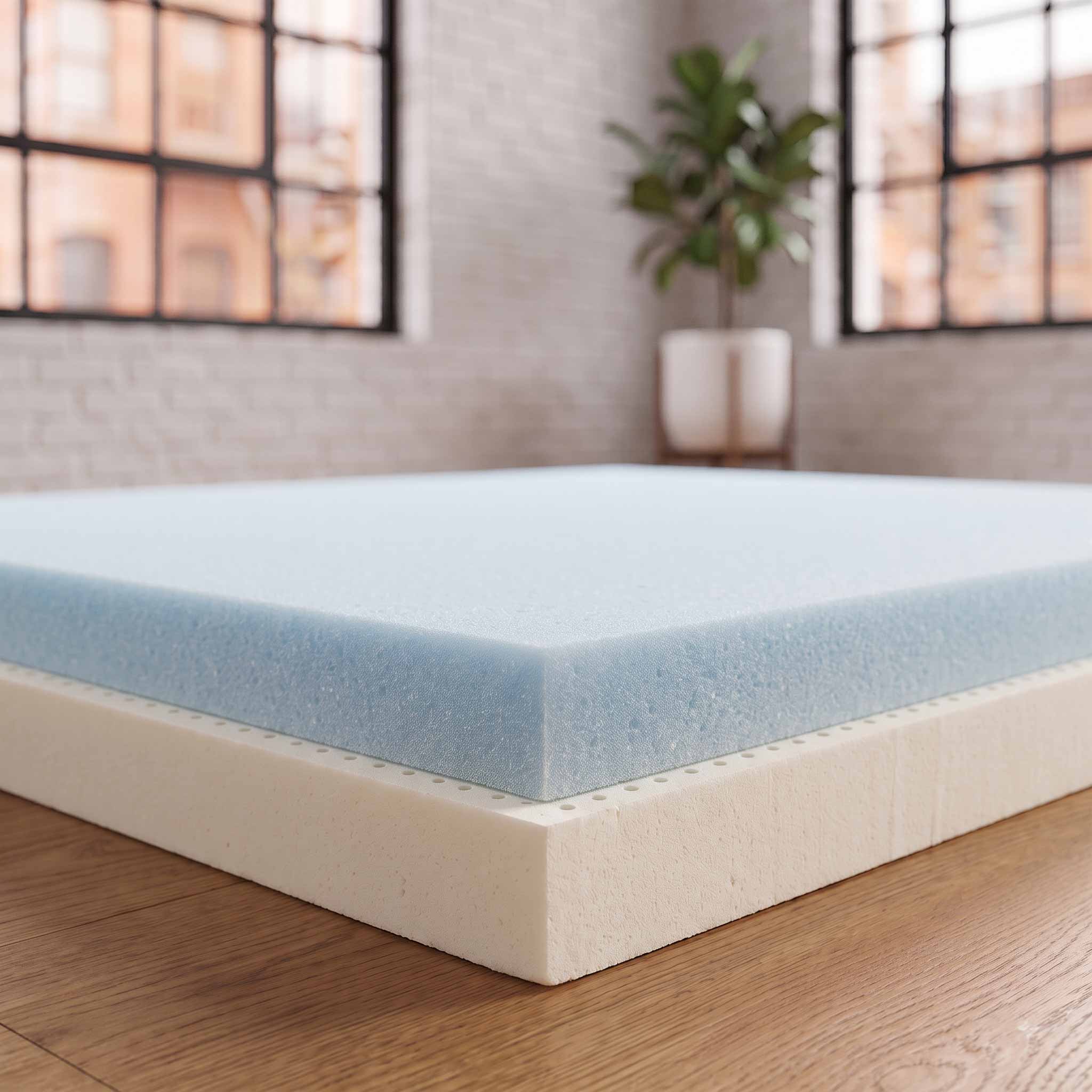
3. Add Your Comfort Layer
Fine-Tune Pressure Relief
The comfort layer has the greatest influence on how the mattress feels when you first lie down. It provides contouring and pressure relief around the shoulders, hips and other pressure points while working with the support and transition layers underneath.
Comfort layers are available in 2-inch and 3-inch thicknesses. Choose 2 inches when you want more influence from the layers underneath, or 3 inches when you want deeper pressure relief and a more substantial comfort surface.
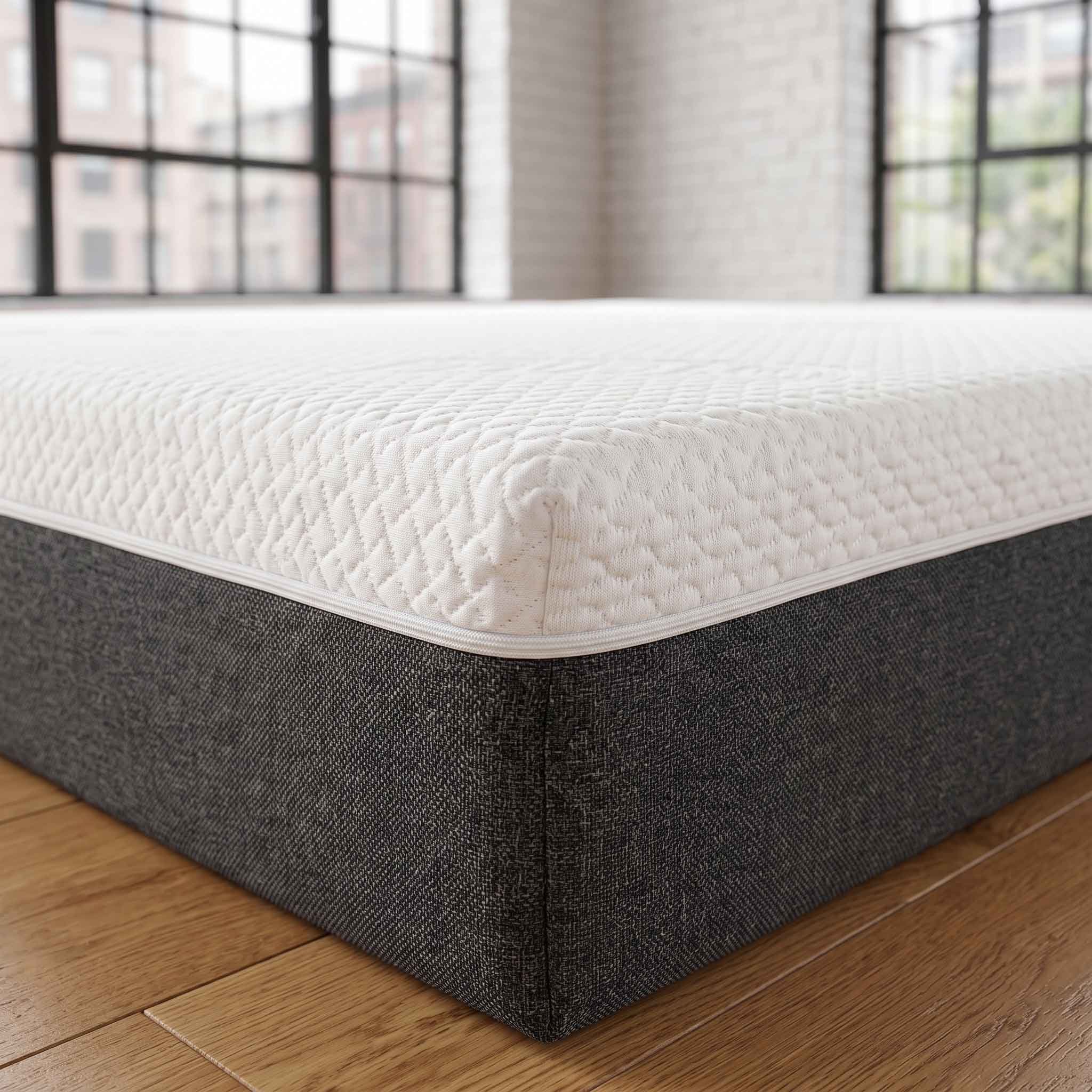
4. Finish With a Cover
Bring Your Layers Together
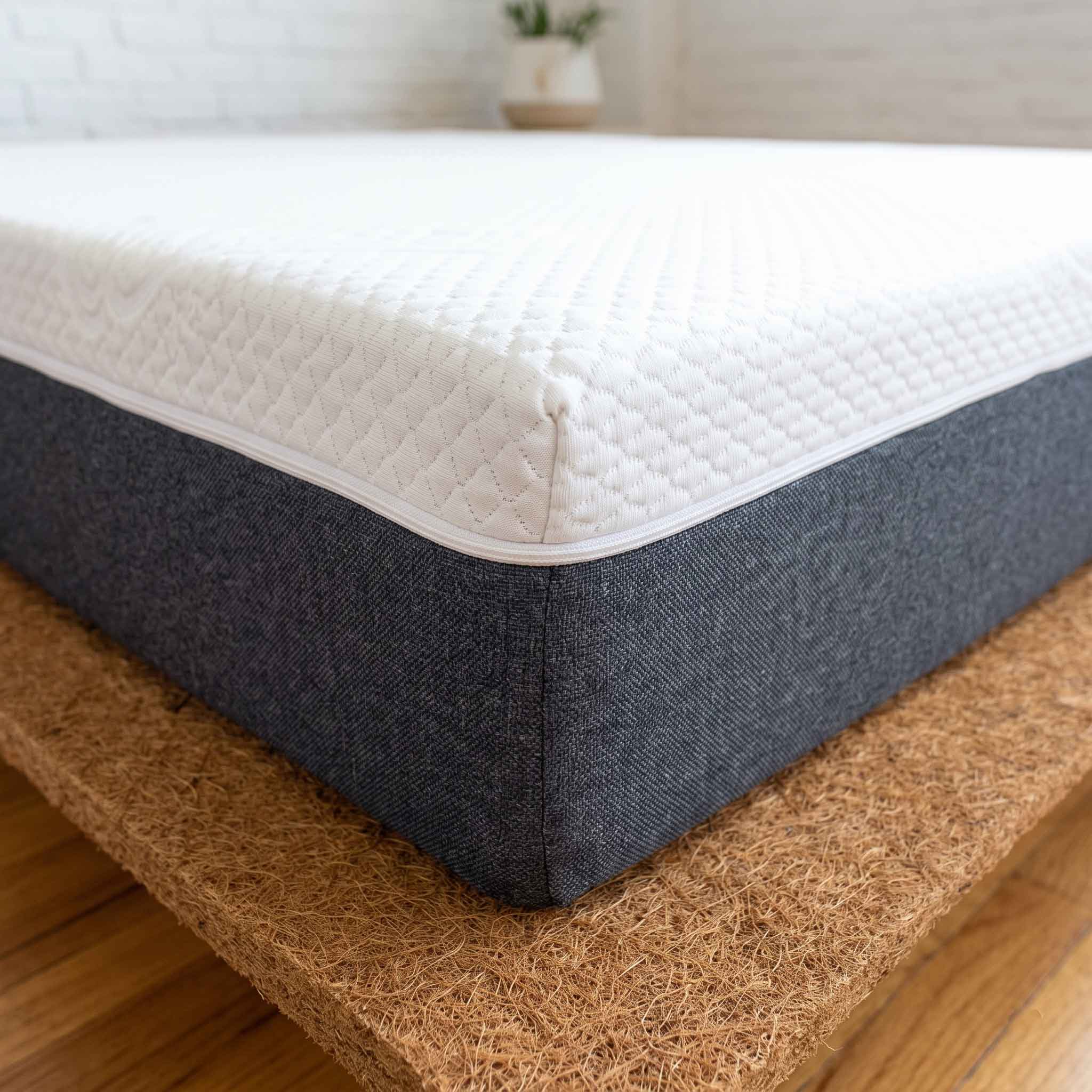
Once you have built your sleep system, our Tencel top-zippered mattress cover brings the individual components together into a finished mattress. Designed to accommodate 8 to 10 inches of material, the top zipper provides easy access to the layers inside so they can be rearranged or replaced as your comfort needs change.
The smooth, non-quilted surface keeps you closely connected to the feel of the materials underneath while giving your DIY build the fit and finish of a complete mattress.
The Details
Everything you need to know about your mattress, from materials and specifications to layer exchanges, shipping, warranty, and returns.
Foam Details
2 lb High-Density Foam: 23, 31 or 40 ILD
2.75 lb High-Resilience Foam: 20, 28, 33 or 45 ILD
3lb Memory Foam: 8 ILD
Latex Details
Natural Talalay Soft: 20 ILD
Natural Talalay Medium: 30 ILD
Natural Talalay Firm: 40 ILD
Original Talalay Soft: 19 ILD
Original Talalay Medium-Soft: 24 ILD
Original Talalay Medium: 29 ILD
Organic Dunlop Soft: 20 ILD
Organic Dunlop Medium: 30 ILD
Organic Dunlop Firm: 40 ILD
All King Talalay layers are made by bonding two layers of TXL together
Shipping, Returns and Warranty
Learn what to expect after you order, including shipping and delivery information, warranty coverage, and our return policy.

See the Presto Mattress in Action
Take a closer look at the Presto Comfort Mattress, including its modular construction, adjustable firmness, and how the layers work together to create the right balance of comfort and support.
FAQ
Have questions about latex mattresses? Explore straightforward answers about materials, construction, firmness, care, and choosing the right mattress for you.
Can I use these components to build a complete mattress?
Yes. Our DIY system lets you combine a support core, transition layer and comfort layer to create your own mattress. Components can also be used individually to modify an existing sleep system.
Do I need a core, transition layer and comfort layer?
Not necessarily. The three-part system is a useful starting point, but your build can be simpler depending on the materials you choose and the comfort you're trying to achieve.
How thick should my DIY mattress be?
Most complete DIY builds are between 8" and 10" inside the mattress cover. If you want additional comfort beyond that, a separate mattress topper can be added above the finished mattress.
How do I choose the right firmness?
Start with the support you need at the bottom and work toward greater pressure relief at the surface. Firmer materials generally work best deeper in the mattress, while softer materials are typically used closer to the body.
Can I change my DIY mattress later?
Yes. That's one of the main advantages of a modular mattress. Individual layers can be rearranged, exchanged or replaced without replacing the entire mattress.
Can I use a DIY layer with my existing mattress?
Yes. All components can be used independently or in combination with each other. Comfort layers can add pressure relief, transition layers can modify the feel of a sleep system, and cores can provide the foundation for a new build.
What cover do I need?
DIY cores and individual layers include simple protective covers where applicable. If you're combining multiple components into a complete mattress, our top-zippered Tencel mattress cover is available for 8" to 10" builds and keeps the layers together as one finished mattress.